

As a steel strip supplier, one of the key concerns in the industry is how to improve the abrasion resistance of steel strips. Abrasion resistance is crucial as it directly affects the durability and lifespan of steel strips in various applications, from construction to manufacturing. In this blog, I'll share some effective strategies based on my experience in the steel strip market.
Understanding the Factors Affecting Abrasion Resistance
Before delving into the improvement methods, it's essential to understand what factors influence the abrasion resistance of steel strips. Abrasion is the wear and tear that occurs when two surfaces come into contact and rub against each other. The main factors include the composition of the steel, its hardness, surface finish, and the environment in which it is used.
The composition of steel is a defining factor. Different alloying elements can significantly enhance abrasion resistance. For instance, the addition of chromium can form a hard oxide layer on the steel surface, providing a protective barrier against abrasion. Molybdenum and vanadium also contribute to hardness and wear resistance by forming carbides within the steel matrix.
Hardness is another critical factor. Generally, the harder the steel, the better its abrasion resistance. However, increasing hardness may also reduce the ductility and toughness of the steel, so a balance must be struck. Surface finish also plays a role. A smooth surface reduces friction and contact points, minimizing the potential for abrasion.
The environment where the steel strip is used is equally important. Harsh environments with high levels of dust, debris, or corrosive substances can accelerate abrasion. Understanding the service environment is crucial for developing appropriate improvement measures.
Strategies to Improve Abrasion Resistance
Alloying
Alloying is one of the most effective ways to improve the abrasion resistance of steel strips. As mentioned earlier, elements such as chromium, molybdenum, and vanadium can enhance the wear properties of steel. For example, stainless steel with a high chromium content is known for its excellent corrosion and abrasion resistance. In addition to these common elements, other rare - earth elements can also be added in small amounts to improve the microstructure and wear resistance of the steel.
When alloying, the proportion of each element needs to be carefully controlled. Excessive addition of some elements may lead to other problems, such as embrittlement or increased cost. Therefore, it's necessary to conduct in - depth research and testing to determine the optimal alloying ratio for different application scenarios.
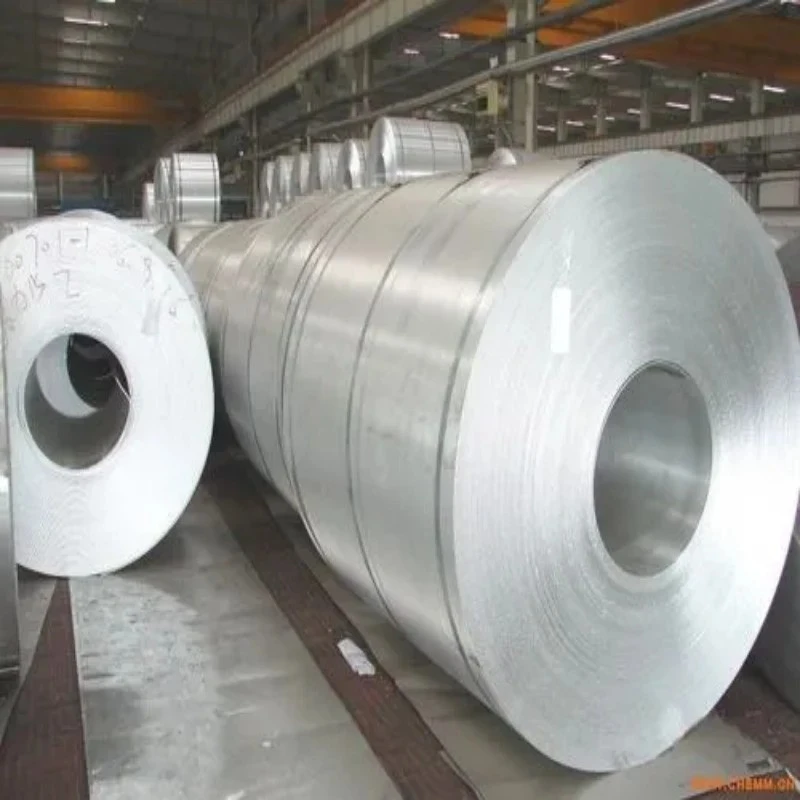

Heat Treatment
Heat treatment is another widely used method to enhance the abrasion resistance of steel strips. Processes like quenching and tempering can improve the hardness and toughness of steel simultaneously. Quenching involves heating the steel to a high temperature and then rapidly cooling it in a quenching medium, such as water or oil. This process forms a hard martensitic structure within the steel.
Tempering is then carried out to relieve the internal stress generated during quenching and improve the toughness of the steel. By adjusting the quenching and tempering parameters, such as temperature and holding time, the mechanical properties of the steel can be precisely controlled to achieve the best abrasion resistance.
Surface Treatment
Surface treatment is an effective way to improve the abrasion resistance of steel strips without significantly changing the bulk properties of the steel. There are several common surface treatment methods:
-
Coating: Applying a wear - resistant coating on the surface of the steel strip can provide a protective layer. For example, Galvalume Coated Steel Strip combines the corrosion resistance of aluminum and the sacrificial protection of zinc, and it also has certain abrasion - resistant properties. Another example is the use of ceramic coatings. Ceramic materials are extremely hard and have high wear resistance, which can significantly improve the abrasion performance of steel strips.
-
Nitriding: Nitriding is a thermochemical surface treatment process in which nitrogen is introduced into the surface of the steel. This forms a hard nitride layer, which enhances the abrasion resistance, corrosion resistance, and fatigue strength of the steel. Nitriding can be carried out at relatively low temperatures, which means it has minimal impact on the dimensional accuracy of the steel strip.
-
Shot Peening: Shot peening involves bombarding the surface of the steel strip with small spherical particles at high velocity. This process induces compressive stress on the surface, which not only improves the fatigue resistance but also enhances the abrasion resistance. Shot peening also refines the surface microstructure, making it more resistant to wear.
Optimizing Rolling Process
For Hot Rolled Strip, optimizing the rolling process can also improve its abrasion resistance. The rolling temperature, rolling reduction ratio, and rolling speed all affect the microstructure and mechanical properties of the steel strip.
During hot rolling, a proper rolling temperature can ensure uniform grain growth and a fine - grained microstructure, which is beneficial for abrasion resistance. A suitable rolling reduction ratio can also improve the density and compactness of the steel, enhancing its overall strength and wear resistance. Additionally, controlling the rolling speed can help to reduce surface defects and improve the surface quality of the steel strip.
Considerations in Different Applications
The requirements for abrasion resistance vary depending on the application of the steel strip. In the construction industry, steel strips used in building facades or structural parts may be exposed to wind, rain, and sand, so they need to have good corrosion and abrasion resistance. For these applications, Color - Painted Steel Strip can be a good choice. The paint layer not only provides an aesthetically pleasing appearance but also offers additional protection against abrasion and corrosion.
In the manufacturing industry, steel strips used in machinery parts, such as conveyor belts or gears, are subject to high - intensity friction and wear. For these applications, high - alloy steel with excellent abrasion resistance and heat treatment can be used to meet the demanding requirements.
Conclusion
Improving the abrasion resistance of steel strips is a comprehensive task that involves multiple aspects, including alloying, heat treatment, surface treatment, and process optimization. As a steel strip supplier, we need to understand the specific needs of different customers and applications, and then provide targeted improvement solutions.
If you are looking for high - quality steel strips with excellent abrasion resistance or need more information about how to improve the performance of steel strips in your specific application, please feel free to contact us. We are committed to providing you with professional advice and top - notch products to meet your requirements.
References
- ASTM International. Standard Test Methods for Measuring Abrasion Resistance of Metallic Materials (G65).
- ASM Handbook Volume 4: Heat Treating.
- Steels: Microstructure and Properties by George Krauss.