

Hey there! As a supplier of metal mesh plates, I've been getting a lot of questions lately about the best ways to clean these bad boys. So, I thought I'd put together this blog post to share some tips and tricks on cleaning metal mesh plates.
Why Cleaning is Important
First off, let's talk about why cleaning your metal mesh plate is so crucial. Metal mesh plates are used in a wide range of applications, from filtration to fencing. Over time, they can accumulate dirt, debris, grease, and even rust. This not only affects their appearance but can also compromise their functionality. For example, a dirty mesh plate used in filtration might not filter as effectively, and a rusty one could weaken over time.
Different Types of Metal Mesh Plates
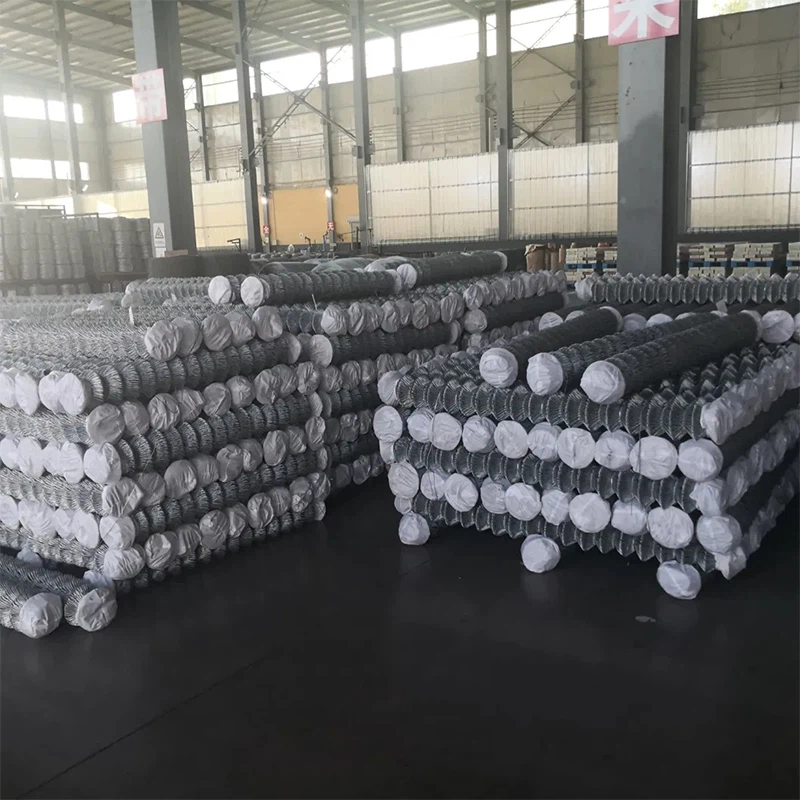
Before we dive into the cleaning methods, it's important to understand that different types of metal mesh plates might require different cleaning approaches. We offer a variety of metal mesh plates, like the Plain Woven Dutch Mesh for Filtration, which is great for precise filtration tasks, and the Chain Link Fence Diamond Wire Mesh, commonly used for fencing. Each has its own unique characteristics and might need specific care.
Basic Cleaning Methods
Dry Cleaning
Dry cleaning is a simple and effective way to remove loose dirt and debris from your metal mesh plate. You can use a soft-bristled brush or a compressed air gun. A soft-bristled brush is great for gently sweeping away dirt and dust. Just run the brush over the mesh, making sure to get into all the nooks and crannies. If you have a compressed air gun, it can blow away the loose particles quickly. This method is especially useful for mesh plates that are not too dirty.
Wet Cleaning
When dry cleaning isn't enough, it's time to move on to wet cleaning. You can use a mild detergent and warm water. Mix a small amount of detergent in a bucket of warm water. Dip a clean cloth or sponge into the soapy water and gently wipe the mesh plate. Make sure to rinse it thoroughly with clean water afterward to remove any detergent residue. This method can remove more stubborn dirt and grease.
Dealing with Rust
Rust is one of the biggest enemies of metal mesh plates. If you notice some rust spots on your plate, don't panic. There are a few ways to deal with it.
Using a Rust Remover
You can buy a commercial rust remover from a hardware store. Follow the instructions on the product carefully. Usually, you'll need to apply the rust remover to the affected areas, let it sit for a certain period, and then scrub it off with a brush. After that, rinse the plate well and dry it completely to prevent further rusting.
Natural Rust Remedies
If you prefer a more natural approach, you can use vinegar or lemon juice. These acidic substances can help dissolve rust. Soak a cloth in vinegar or lemon juice and place it on the rust spots for a few hours. Then, scrub the area with a brush and rinse it off.
Cleaning for Specific Applications
Filtration Mesh Plates
For mesh plates used in filtration, it's important to clean them regularly to maintain their filtration efficiency. In addition to the basic cleaning methods, you might need to use a more specialized cleaning solution depending on the type of contaminants they filter. For example, if they filter oil, a degreaser might be necessary. After cleaning, make sure to test the filtration performance to ensure it's back to normal.
Fencing Mesh Plates
Fencing mesh plates are exposed to the elements, so they might accumulate more dirt, dust, and rust. In addition to regular cleaning, you can apply a protective coating to prevent rusting. There are various types of coatings available, such as paint or galvanized coatings.
Tips for Maintaining Clean Metal Mesh Plates
- Regular Inspections: Check your metal mesh plates regularly for signs of dirt, rust, or damage. Catching problems early can make cleaning and maintenance easier.
- Proper Storage: When not in use, store your mesh plates in a dry and clean place. This can prevent them from getting dirty or rusty.
- Avoid Harsh Chemicals: While some cleaning agents can be effective, using overly harsh chemicals can damage the metal. Stick to mild detergents and recommended cleaning solutions.
Conclusion
Cleaning your metal mesh plates is an important part of maintaining their functionality and appearance. By following the methods and tips I've shared in this post, you can keep your mesh plates in top condition for a long time. Whether you use them for filtration, fencing, or other applications, a clean mesh plate will perform better and last longer.
If you're interested in purchasing high-quality metal mesh plates or have any questions about cleaning or maintenance, feel free to reach out to us. We're here to help you find the right products and ensure you get the most out of them.
References
- General knowledge on metal mesh plate maintenance and cleaning.
- Product information from our metal mesh plate inventory.