

Filtration efficiency is a critical parameter when it comes to metal mesh plates, especially in industries where separation and purification processes are of utmost importance. As a trusted metal mesh plate supplier, we understand the significance of this characteristic and are committed to providing high - quality products that meet and exceed our customers' expectations.

Understanding Filtration Efficiency
Filtration efficiency refers to the ability of a metal mesh plate to remove particles of a specific size from a fluid (either liquid or gas). It is usually expressed as a percentage, representing the ratio of the mass or number of particles removed by the filter to the total mass or number of particles present in the incoming fluid.
The filtration efficiency of a metal mesh plate is influenced by several factors. One of the primary factors is the mesh size. Mesh size is defined by the number of openings per linear inch. A smaller mesh size means more openings per inch and, consequently, a higher ability to capture smaller particles. For example, a 200 - mesh metal plate will have much finer openings compared to a 50 - mesh plate, and it will be more efficient at filtering out smaller particles.
Another important factor is the wire diameter of the mesh. Thicker wires can provide more structural integrity to the mesh plate but may also reduce the open area, which can affect the flow rate and filtration efficiency. A balance must be struck between wire diameter and open area to achieve optimal filtration performance.
The material of the metal mesh also plays a role in filtration efficiency. Different metals have different surface properties, corrosion resistance, and mechanical strength. For instance, stainless steel is a popular choice for metal mesh plates due to its high corrosion resistance, which ensures the longevity of the filter and maintains its filtration efficiency over time.
Measuring Filtration Efficiency
There are several methods to measure the filtration efficiency of a metal mesh plate. One common method is the gravimetric method. In this method, a known volume of fluid containing a specific concentration of particles is passed through the mesh plate. The mesh plate is then weighed before and after the filtration process. The difference in weight represents the mass of the particles captured by the filter, which can be used to calculate the filtration efficiency.
Another method is the particle counting method. This method involves using a particle counter to measure the number of particles in the fluid before and after filtration. By comparing the particle counts, the filtration efficiency can be determined. This method is particularly useful for measuring the efficiency of filters in removing very small particles.
Applications of Metal Mesh Plates Based on Filtration Efficiency
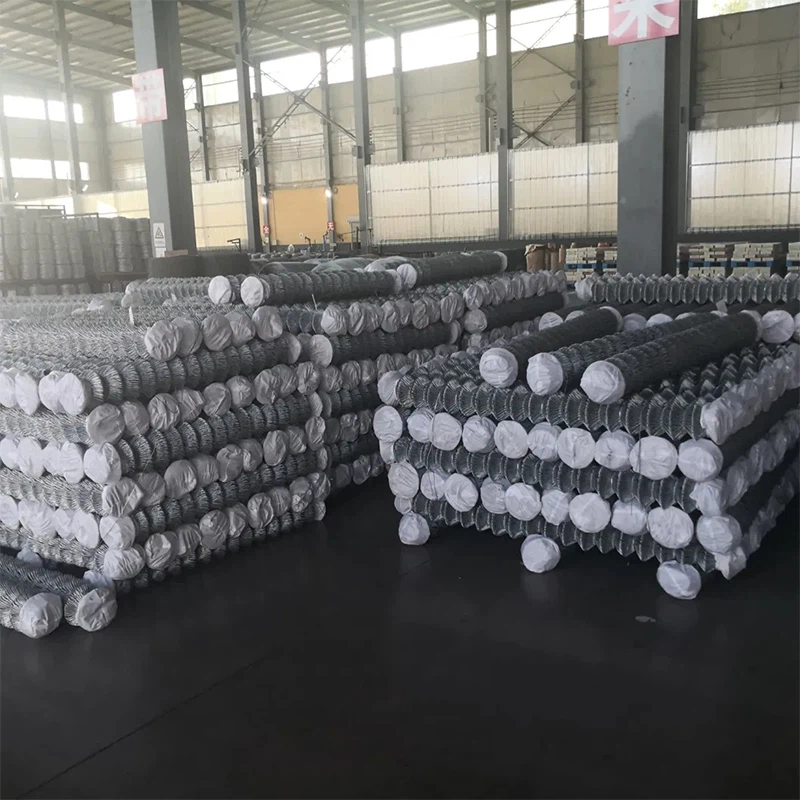
Metal mesh plates with different filtration efficiencies are used in a wide range of applications. In the pharmaceutical industry, high - efficiency metal mesh plates are used to filter out impurities from liquid medications, ensuring the purity and safety of the final product. The Chain Link Fence Diamond Wire Mesh, which is a type of metal mesh, can also be used in some filtration applications where large - scale separation is required.
In the food and beverage industry, metal mesh plates are used to filter out solid particles from liquids such as fruit juices and wines. The filtration efficiency needs to be carefully tailored to the specific requirements of the product to ensure the quality and taste of the final beverage.
In the automotive industry, metal mesh plates are used in air intake filters to remove dust and debris from the air before it enters the engine. This helps to protect the engine components and improve the overall performance of the vehicle.
In the construction industry, Concrete Prestressed Steel Strands and Steel Strand For Prestressed Concrete are not directly related to filtration but are important products in our portfolio. However, metal mesh plates can be used in water treatment systems in construction sites to filter out sediment and other contaminants from the water used in the construction process.
Our Commitment as a Metal Mesh Plate Supplier
As a metal mesh plate supplier, we are dedicated to providing products with high and consistent filtration efficiency. We use advanced manufacturing techniques to ensure that our mesh plates have uniform mesh sizes and wire diameters, which are essential for accurate and reliable filtration.
We also offer a wide range of mesh sizes and materials to meet the diverse needs of our customers. Whether you need a coarse - mesh plate for pre - filtration or a fine - mesh plate for high - precision filtration, we have the right product for you.
Our quality control team conducts rigorous testing on every batch of metal mesh plates to ensure that they meet the specified filtration efficiency standards. We use state - of - the - art testing equipment, including particle counters and gravimetric analyzers, to accurately measure the filtration efficiency of our products.
Conclusion
The filtration efficiency of a metal mesh plate is a complex but crucial characteristic that depends on factors such as mesh size, wire diameter, and material. Understanding these factors and how they affect filtration efficiency is essential for selecting the right metal mesh plate for your specific application.
As a trusted metal mesh plate supplier, we are here to help you make the best choice for your filtration needs. Our high - quality products, combined with our expertise and commitment to customer service, make us the ideal partner for your filtration projects.
If you are interested in learning more about our metal mesh plates or would like to discuss your specific filtration requirements, we encourage you to reach out to us. We look forward to the opportunity to work with you and provide you with the best filtration solutions.
References
- "Filtration Handbook", Third Edition, by Christopher D. Dickenson.
- "Industrial Filtration of Liquids", by Peter A. Wakeman and Ajay Tarleton.
- Journal articles on metal mesh filtration efficiency from scientific journals such as "Filtration & Separation".