

In the realm of coated steel products, Galvalume Coated Steel Coil and Zinc Magnesium Aluminum Coated Steel Coil are two prominent materials widely used in construction, automotive, and industrial applications. Both offer unique advantages and limitations, making them suitable for specific use cases. This article delves into their composition, appearance, cost, corrosion resistance, and application scenarios to provide a comprehensive comparison.
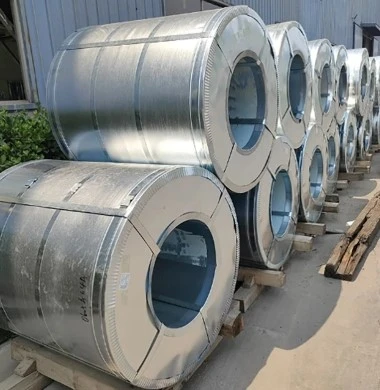
Composition and Structure
Galvalume Coated Steel Coil is composed of a zinc-aluminum alloy, typically consisting of 55% aluminum, 43.5% zinc, and 1.5% silicon. The silicon enhances the adhesion of the coating to the steel substrate. On the other hand, Zinc Magnesium Aluminum Coated Steel Coil incorporates a more complex alloy, blending zinc, magnesium, and aluminum in varying proportions, often with a higher zinc content. The addition of magnesium significantly improves the material's mechanical properties and corrosion resistance.
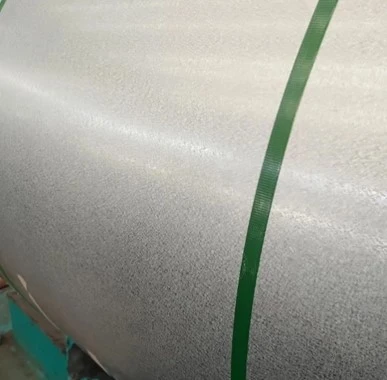
Appearance
Visually, Galvalume Coated Steel Coil exhibits a distinctive spangled appearance due to its aluminum-rich coating, which gives it a bright, metallic finish. This makes it aesthetically appealing for architectural applications. In contrast, Zinc Magnesium Aluminum Coated Steel Coil has a smoother, more uniform surface, often preferred for applications where a consistent finish is critical, such as in automotive panels.
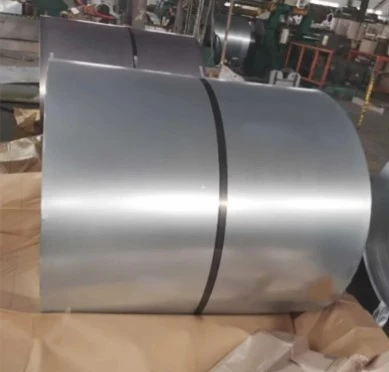
Corrosion Resistance
Both materials excel in corrosion resistance, but their performance varies depending on the environment. Galvalume Coated Steel Coil is highly resistant to atmospheric corrosion, particularly in rural and industrial settings, thanks to its aluminum content, which forms a protective oxide layer. However, it may underperform in highly acidic or alkaline environments. Zinc Magnesium Aluminum Coated Steel Coil, with its magnesium component, offers superior resistance to cut-edge corrosion and performs exceptionally well in harsh environments, including coastal areas with high salinity.
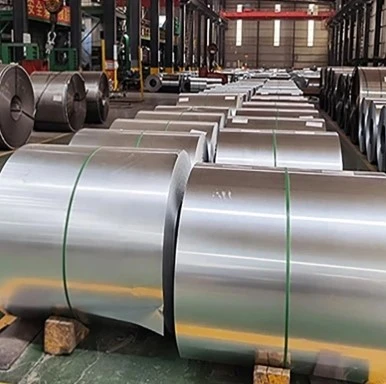
Cost Considerations
In terms of cost, Galvalume Coated Steel Coil is generally more economical due to its simpler manufacturing process and widespread availability. Zinc Magnesium Aluminum Coated Steel Coil, while offering enhanced performance, tends to be more expensive due to the inclusion of magnesium and the additional processing required. This cost difference often influences material selection, especially for large-scale projects.
Application Scenarios
Galvalume Coated Steel Coil is widely used in roofing, siding, and HVAC systems, where its combination of durability and aesthetic appeal is highly valued. Its cost-effectiveness also makes it a popular choice for agricultural and industrial buildings. Conversely, Zinc Magnesium Aluminum Coated Steel Coil is favored in applications requiring higher mechanical strength and corrosion resistance, such as automotive body panels, solar panel frames, and coastal infrastructure.
Both Galvalume Coated Steel Coil and Zinc Magnesium Aluminum Coated Steel Coil offer distinct advantages depending on the application. While Galvalume is cost-effective and visually appealing, Zinc Magnesium Aluminum provides superior corrosion resistance and mechanical properties. The choice between the two ultimately depends on the specific requirements of the project, including environmental conditions, budget constraints, and performance expectations. Understanding these differences is crucial for engineers, architects, and manufacturers to make informed decisions.