

Can lip c section steel be recycled?
As a supplier of lip c section steel, I often get asked about the recyclability of our products. The short answer is yes, lip c section steel can be recycled, and this is an important aspect that not only benefits the environment but also has economic implications.
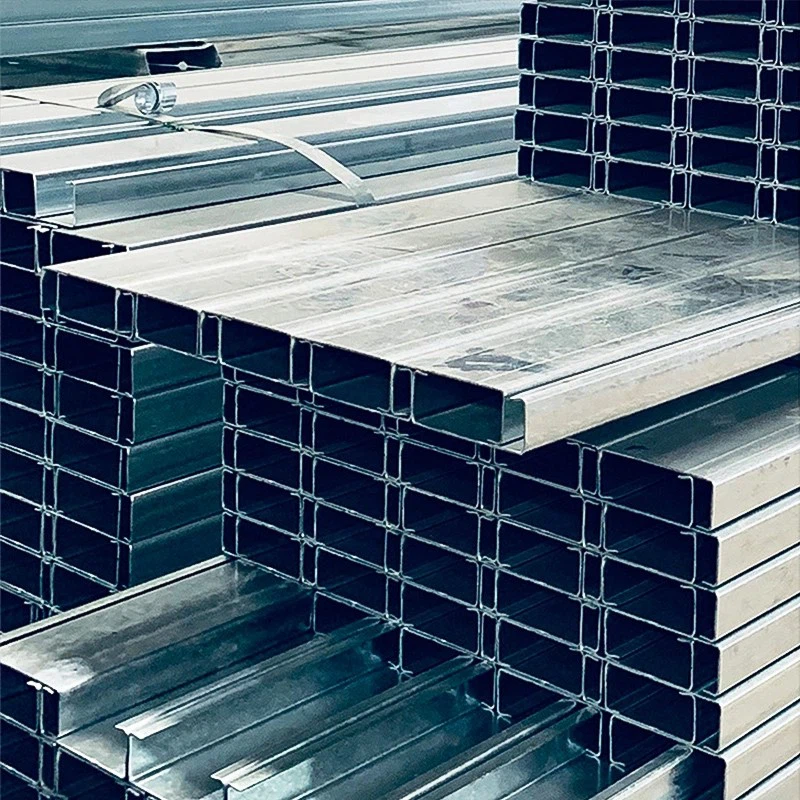
Lip c section steel is a type of cold - formed steel product. It is widely used in construction, manufacturing, and various other industries due to its structural strength and versatility. The composition of lip c section steel mainly consists of iron and carbon, with small amounts of other elements such as manganese, silicon, and sulfur depending on the specific grade and manufacturing process.
The recyclability of lip c section steel is rooted in the nature of steel itself. Steel is one of the most recycled materials in the world. When lip c section steel reaches the end of its useful life, whether it's from a demolished building or an outdated manufacturing component, it can be collected and sent to a recycling facility.
At the recycling facility, the first step is to sort the lip c section steel from other scrap materials. This is crucial because different types of metals need to be processed separately. Once sorted, the steel is shredded into smaller pieces. This increases the surface area of the steel, making it easier to melt in the subsequent steps.
The shredded steel is then melted in a furnace. Modern furnaces are highly efficient and can reach extremely high temperatures to completely melt the steel. During the melting process, impurities are removed through various chemical reactions and physical separation methods. For example, oxygen can be blown into the furnace to react with carbon and other impurities, converting them into gases that can be removed from the molten steel.
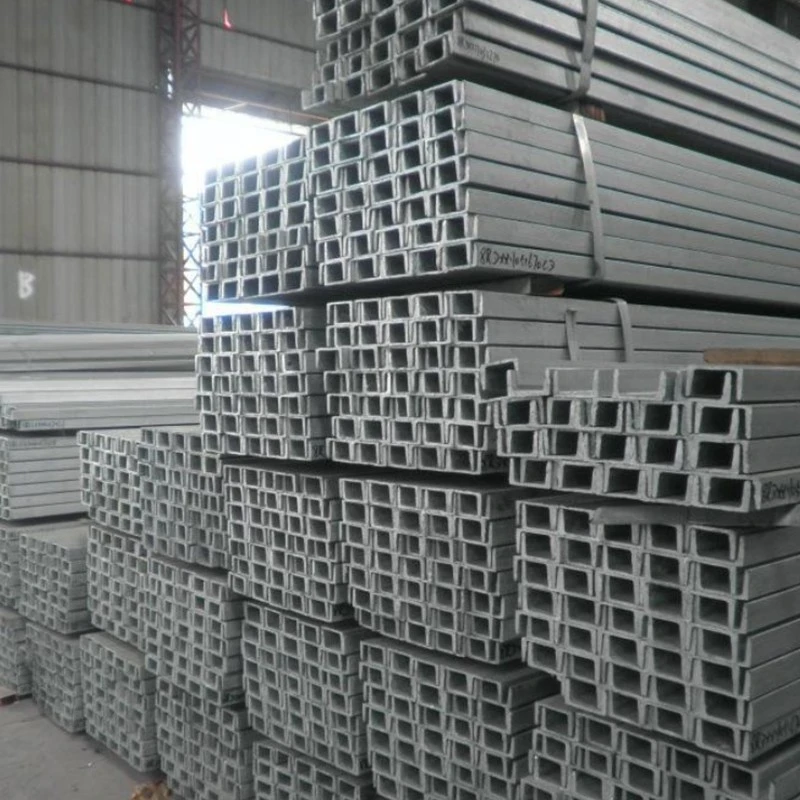
After the melting and purification process, the molten steel can be cast into new shapes. It can be formed into new lip c section steel or other steel products such as T Section Steel GI or U Section Steel Black. The recycled steel retains most of its original properties, making it suitable for a wide range of applications.
There are several benefits to recycling lip c section steel. From an environmental perspective, recycling steel significantly reduces the demand for virgin iron ore. Mining iron ore is a resource - intensive process that has a large environmental footprint, including deforestation, soil erosion, and water pollution. By recycling lip c section steel, we can conserve natural resources and reduce the environmental impact associated with mining.
Recycling also consumes less energy compared to producing steel from virgin materials. The energy savings are substantial, as the process of extracting iron from ore, refining it, and then forming it into steel requires a large amount of energy. In contrast, melting and recycling existing steel uses a fraction of that energy. This reduction in energy consumption also leads to a decrease in greenhouse gas emissions, contributing to the fight against climate change.
Economically, recycling lip c section steel can be a cost - effective option. The cost of recycled steel is often lower than that of newly produced steel, which can be attractive to manufacturers and construction companies. Additionally, the recycling industry creates jobs in collection, sorting, processing, and manufacturing.
However, there are some challenges in the recycling of lip c section steel. One of the main challenges is the presence of coatings and contaminants on the steel. Lip c section steel may be coated with paints, galvanized layers, or other protective coatings. These coatings need to be removed during the recycling process, which can add complexity and cost. Specialized equipment and processes are required to ensure that the coatings do not contaminate the recycled steel.
Another challenge is the collection and transportation of scrap lip c section steel. Ensuring a consistent supply of high - quality scrap steel requires an efficient collection system. This involves working with demolition companies, manufacturers, and other sources of scrap steel to collect and transport the materials to the recycling facilities. In some areas, the lack of a well - developed collection infrastructure can limit the recycling rate.
Despite these challenges, the overall outlook for recycling lip c section steel is positive. With the increasing awareness of environmental issues and the growing demand for sustainable products, the market for recycled steel is expected to expand. As a supplier of Lip C Section Steel, we are committed to promoting the recycling of our products. We encourage our customers to consider the end - of - life options for our lip c section steel and to participate in the recycling process.
We also work closely with recycling facilities to ensure that our products are recycled in an efficient and environmentally friendly manner. By doing so, we can contribute to a more circular economy, where materials are reused and recycled to minimize waste and resource consumption.
If you are interested in purchasing lip c section steel for your projects, or if you have any questions about the recyclability of our products, we would be more than happy to assist you. Contact us for more information and let's start a conversation about how we can meet your steel needs while also being environmentally responsible.
References:
- "The Recycling of Steel: A Comprehensive Guide", Steel Recycling Institute
- "Environmental Impact of Steel Production and Recycling", Journal of Sustainable Materials Management
- "Economic Analysis of Steel Recycling", International Journal of Recycling Economics