Hail is a natural phenomenon that can have significant impacts on various structures, and photovoltaic sheds are no exception. As a supplier of photovoltaic sheds, I have witnessed firsthand the potential damage that hail can cause to these installations. In this blog post, I will explore the ways in which hail affects a photovoltaic shed, discuss the protective measures that can be taken, and highlight the importance of quality components such as Photovoltaic Manual Adjustable Bracket, Photovoltaic Flexible Bracket, and Photovoltaic Bracket CZU Steel in ensuring the durability of the shed.
Physical Damage to Photovoltaic Panels
One of the most obvious ways in which hail affects a photovoltaic shed is through physical damage to the photovoltaic panels. Hailstones can range in size from small pellets to large chunks of ice, and when they strike the panels with force, they can cause cracks, chips, or even shatter the glass surface. This damage can significantly reduce the efficiency of the panels, as it disrupts the flow of sunlight and prevents the conversion of solar energy into electricity.
In addition to reducing the efficiency of the panels, physical damage can also lead to long - term issues. Cracks in the glass can allow moisture to seep into the panel, which can corrode the internal components and further degrade the performance over time. Moreover, the structural integrity of the panel may be compromised, increasing the risk of it detaching from the mounting system during subsequent storms or high - wind events.
Impact on the Mounting Structure
Hail can also have a detrimental effect on the mounting structure of the photovoltaic shed. The force of the hailstones hitting the structure can cause dents, deformation, or even breakage of the brackets and frames. This is particularly true for poorly designed or low - quality mounting systems. For example, if a bracket is made from weak materials, it may not be able to withstand the impact of large hailstones.
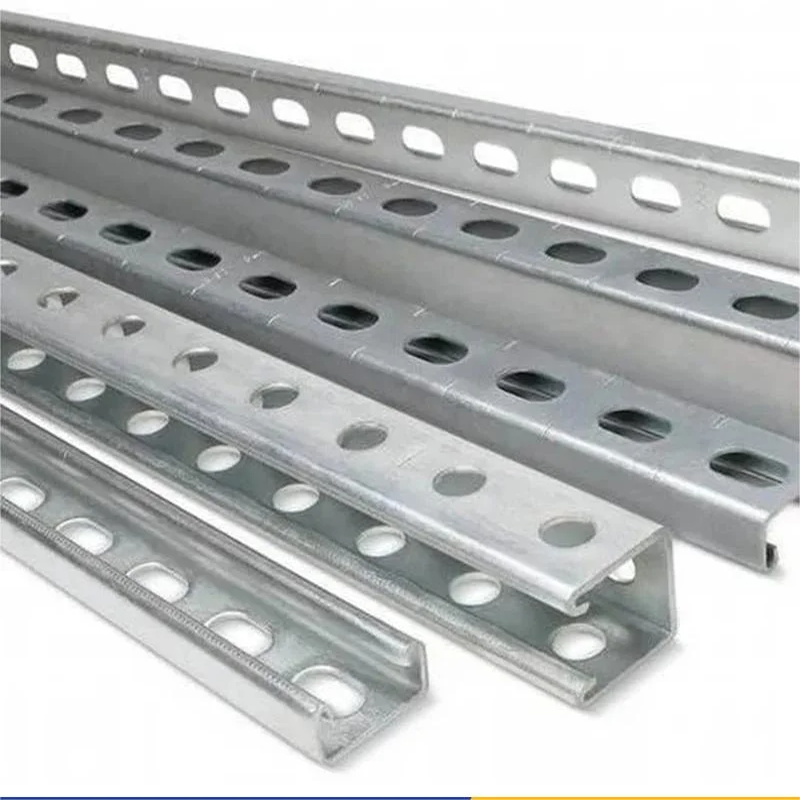
The Photovoltaic Manual Adjustable Bracket offers a high - quality solution to this problem. Its adjustable design allows for precise positioning of the panels, while the robust construction can better resist the impact of hail. Similarly, the Photovoltaic Flexible Bracket can absorb some of the shock from hailstones due to its flexibility, reducing the risk of damage to the overall structure. The Photovoltaic Bracket CZU Steel is made from high - strength steel, providing excellent durability and resistance to hail - induced damage.
Disruption of Electrical Connections
Another consequence of hail damage is the disruption of electrical connections within the photovoltaic shed. Hail impacts can cause loose or damaged wires, connectors, or junction boxes. These electrical issues can lead to power outages, reduced system efficiency, and even pose a safety hazard. For instance, loose wires can create short circuits, which may result in fires or electrical shocks.
Regular inspections of the electrical components after a hailstorm are crucial to identify and repair any damage promptly. High - quality mounting systems, such as those featuring the aforementioned brackets, can help to keep the panels stable and reduce the risk of electrical connections being shaken loose during a hailstorm.
Financial Impact
The damage caused by hail to a photovoltaic shed can have a significant financial impact. Firstly, there are the costs associated with repairing or replacing damaged photovoltaic panels. Depending on the extent of the damage, this can be a substantial expense, especially for large - scale installations. In addition, the downtime caused by the damage can result in lost revenue from the sale of electricity generated by the system.
Investing in high - quality components and protective measures during the initial installation can help to mitigate these financial risks. Although the upfront cost may be higher, the long - term savings in terms of reduced maintenance and repair costs can be substantial.
Protective Measures Against Hail
There are several protective measures that can be taken to safeguard a photovoltaic shed from hail damage. One option is to use hail - resistant photovoltaic panels. These panels are specifically designed to withstand the impact of hailstones, often with strengthened glass or other protective coatings.
Another approach is to install a hail guard or a protective covering over the photovoltaic shed. This can act as a buffer between the hailstones and the panels, reducing the force of the impact. However, it is important to ensure that the protective covering does not significantly reduce the amount of sunlight reaching the panels.
Using high - quality mounting systems, such as the Photovoltaic Manual Adjustable Bracket, Photovoltaic Flexible Bracket, and Photovoltaic Bracket CZU Steel, is also crucial. These components are designed to provide a stable and durable foundation for the panels, minimizing the risk of damage during a hailstorm.
Importance of Quality Components
As a supplier of photovoltaic sheds, I cannot stress enough the importance of using quality components. The brackets and frames that support the photovoltaic panels play a vital role in protecting the system from hail and other environmental hazards. The Photovoltaic Manual Adjustable Bracket allows for easy adjustment of the panel angle, which can optimize sunlight absorption and also contribute to the overall stability of the installation.
The Photovoltaic Flexible Bracket offers flexibility, which can help to absorb the shock of hailstones and prevent damage to the panels and the structure. Meanwhile, the Photovoltaic Bracket CZU Steel provides the strength and durability needed to withstand the impact of large hailstones. By choosing these high - quality components, customers can ensure the longevity and reliability of their photovoltaic sheds.
Conclusion
In conclusion, hail can have a significant impact on a photovoltaic shed, causing physical damage to the panels, affecting the mounting structure, disrupting electrical connections, and resulting in financial losses. However, by taking appropriate protective measures and using high - quality components such as the Photovoltaic Manual Adjustable Bracket, Photovoltaic Flexible Bracket, and Photovoltaic Bracket CZU Steel, the risks associated with hail damage can be minimized.
If you are considering installing a photovoltaic shed or are looking to upgrade your existing system, I encourage you to contact me to discuss your specific needs. Our team of experts can provide you with the best solutions to ensure the durability and efficiency of your photovoltaic shed, even in the face of challenging weather conditions such as hail.
References
Smith, J. (2020). "The Effects of Hail on Renewable Energy Installations". Journal of Environmental Science.
Johnson, A. (2021). "Protecting Photovoltaic Systems from Natural Disasters". Renewable Energy Review.
Williams, B. (2019). "High - Quality Components for Photovoltaic Installations". Solar Technology Magazine.