

Hey there! As a supplier of HR (hot-rolled) plate steel, I'm often asked about the common thicknesses of this versatile material. In this blog post, I'm gonna break down the typical thickness ranges of HR plate steel, explain why these thicknesses matter, and give you a bit of insight into choosing the right one for your project.
Common Thickness Ranges of HR Plate Steel
Hot-rolled plate steel is produced in a wide range of thicknesses to meet the diverse needs of various industries. Generally, the thickness of HR plate steel can vary from around 3 mm to 200 mm. Let's take a closer look at different segments within this range and where they're commonly used.
Thin HR Plate Steel (3 - 10 mm)
Thin HR plate steel, usually in the range of 3 to 10 mm, is quite popular for a variety of applications. Its relative thinness makes it lightweight yet still strong enough for many tasks. In the automotive industry, these thin plates are used to make parts like body panels and frames. They're also commonly found in the manufacturing of furniture, where a blend of strength and malleability is required.
For example, when making a steel-framed chair, a 4 or 5 mm thick HR plate can provide the necessary structural support without adding too much weight. In addition, thin HR plates are often used in the production of small machinery parts. The thinner gauge allows for easier cutting, bending, and shaping, which is crucial for creating precise components.
Medium HR Plate Steel (10 - 50 mm)
The medium thickness range (10 - 50 mm) is where HR plate steel really starts to show its robustness. This thickness is commonly used in construction and heavy machinery manufacturing. In building construction, 15 - 25 mm thick plates are often used for structural beams and columns. They can support the weight of upper floors and withstand the forces exerted during earthquakes and other natural disasters.
In the heavy machinery sector, machines like excavators, bulldozers, and cranes rely on medium-thickness HR plates for their frames and critical components. The 30 - 50 mm thick plates provide the strength needed to handle heavy loads and rough working conditions. Moreover, these plates are often used in the fabrication of storage tanks, where they can hold large volumes of liquids or gases safely.
Thick HR Plate Steel (50 - 200 mm)
Thick HR plate steel, with thicknesses ranging from 50 to 200 mm, is used in extremely demanding applications. One of the primary uses of thick plates is in the shipbuilding industry. The hulls of large ships are often constructed using 80 - 120 mm thick HR plates. These plates need to be strong enough to withstand the pressure of the water, corrosion, and the impact of waves.
In the energy sector, thick HR plates are used in the construction of pressure vessels for oil and gas refineries. The 150 - 200 mm thick plates can handle the high internal pressures and harsh chemical environments. Additionally, thick plates are used in the manufacturing of large-scale industrial equipment, such as forging presses and rolling mills, where the ability to withstand high stress is essential.
Why Thickness Matters
The thickness of HR plate steel is a critical factor that affects its performance and suitability for different applications. Here are some key reasons why thickness matters:
Strength and Load Capacity
Thicker plates generally have higher strength and can support heavier loads. In a construction project, using a plate that's too thin can lead to structural failure. For example, if a beam in a building is made from a plate that's not thick enough to support the weight of the upper floors, it may bend or break under stress. On the other hand, using a plate that's too thick can add unnecessary weight and cost to the project.
Durability and Resistance
Thicker HR plate steel is more durable and resistant to wear, tear, and corrosion. In harsh environments like offshore oil rigs or chemical plants, thick plates can better withstand the corrosive effects of saltwater and chemicals. They also last longer under high-stress conditions, reducing the need for frequent replacements.
Fabrication Requirements
The thickness of the plate influences the fabrication process. Thinner plates are easier to cut, bend, and weld, while thicker plates may require specialized equipment and techniques. For example, cutting a 200 mm thick plate requires a more powerful cutting machine than a 5 mm thick plate. Understanding the fabrication requirements is crucial for ensuring the quality and efficiency of the manufacturing process.
Choosing the Right Thickness
When it comes to choosing the right thickness of HR plate steel for your project, there are several factors to consider:
Application Requirements
First and foremost, think about what the plate will be used for. If it's for a light-duty application like a small metal cabinet, a thin plate will suffice. But for a heavy-duty structure like a bridge, a thicker plate is necessary. Consider the load it will bear, the environmental conditions it will be exposed to, and the expected lifespan of the project.
Cost Considerations
Obviously, cost is a significant factor. Thicker plates generally cost more than thinner ones both in terms of material and processing. You need to find a balance between the required strength and durability and your budget. Sometimes, it might be possible to use a slightly thinner plate with additional reinforcement to save costs without sacrificing too much on performance.
Fabrication Capabilities
Make sure your fabrication team has the equipment and skills to work with the chosen plate thickness. If you're using a third - party fabricator, check their capabilities before finalizing the thickness. Using a thickness that exceeds the fabricator's capabilities can lead to delays and quality issues.
Related Products
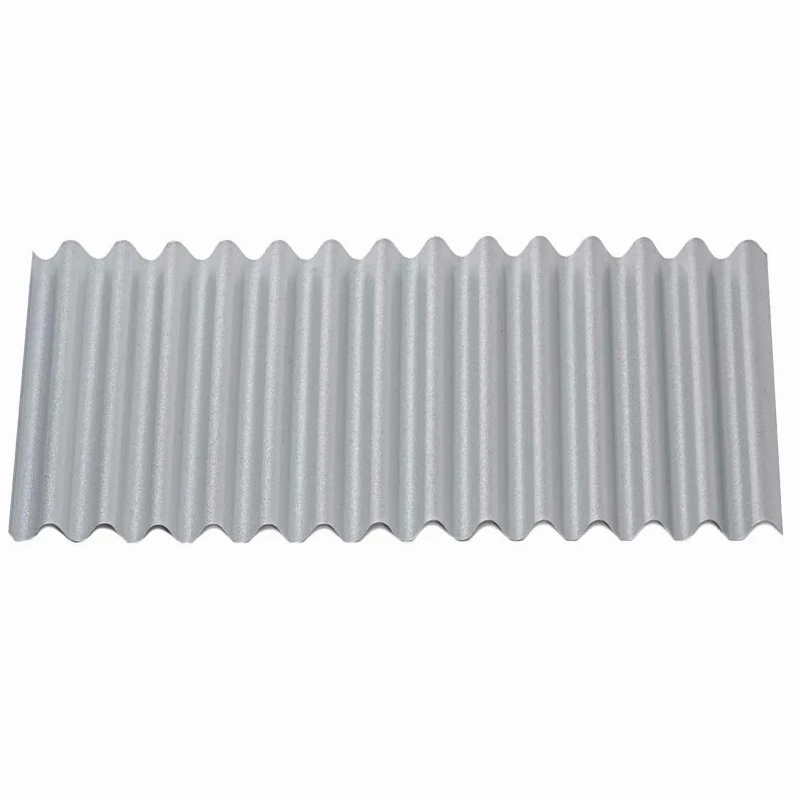
If you're interested in other types of steel sheets, we also offer Cold Rolled Sheet 1219mm, Color Coated Corrugated Sheet, and Corrugated Galvanized Steel Sheet. These products have their own unique features and applications, so feel free to explore them.

Let's Connect
If you're in the market for HR plate steel or any of our other products, I'd love to talk to you. Whether you have questions about thickness, need a quote, or want to discuss your project in detail, don't hesitate to reach out. We're here to help you find the perfect steel solution for your needs.
References
- Steel Construction Manual, American Institute of Steel Construction
- Shipbuilding Technology Handbook, International Maritime Organization
- Handbook of Heavy Machinery Manufacturing, World Heavy Machinery Association