

Hey there! As a cold rolled strip supplier, I've seen firsthand how crucial proper storage conditions are for maintaining the quality of this product. Cold rolled strip is a popular choice in various industries due to its smooth surface, precise dimensions, and excellent mechanical properties. But if it's not stored correctly, all these benefits can quickly go down the drain. So, let's dive into what those storage conditions are.
Temperature
First off, temperature plays a huge role. Cold rolled strip should be stored in an environment where the temperature is relatively stable. Drastic temperature changes can cause the strip to expand and contract, which might lead to warping or other forms of deformation.
Ideally, the storage temperature should be kept between 10°C and 30°C (50°F and 86°F). This range helps prevent any extreme thermal stress on the strip. If the temperature gets too low, the strip can become brittle, making it more prone to cracking during handling or further processing. On the other hand, high temperatures can accelerate the oxidation process, leading to rust formation.
For example, if you're storing cold rolled strip in a warehouse during the winter months and there's no proper heating, the cold can make the strip lose its flexibility. And in summer, if the warehouse gets too hot without proper ventilation, the strip might start to show signs of rust.
Humidity
Humidity is another key factor. Cold rolled strip is susceptible to corrosion, especially in high - humidity environments. The moisture in the air can react with the iron in the steel, forming iron oxide (rust).
The relative humidity in the storage area should be kept below 60%. To achieve this, you can use dehumidifiers in the storage facility. If the humidity is consistently high, it's a good idea to invest in a climate - controlled storage unit.
Let me give you an example. I once had a customer who stored their cold rolled strip in a coastal area. The high humidity and salt in the air caused the strip to rust within a few weeks. After that, they had to spend a lot of time and money on surface treatment to make the strip usable again.
Ventilation
Proper ventilation is essential for preventing the build - up of moisture and harmful gases in the storage area. Good air circulation helps keep the humidity levels in check and reduces the risk of corrosion.
The storage facility should have adequate vents and fans to ensure a constant flow of fresh air. This is especially important in enclosed spaces where moisture and fumes can accumulate. For instance, if the cold rolled strip is stored in a basement with poor ventilation, the air can become stagnant, leading to a higher risk of rust and other quality issues.
Storage Location
The location where you store the cold rolled strip also matters. It should be kept away from sources of water, such as leaky roofs, pipes, or drains. Any contact with water can cause immediate corrosion.
Also, avoid storing the strip near chemicals or substances that can react with steel. For example, acids or alkalis can cause severe damage to the surface of the cold rolled strip.
It's a good idea to store the strip on elevated platforms or racks. This helps prevent contact with the floor, which might be damp or contaminated. And make sure the storage area is clean and free of debris that could scratch or damage the strip.
Protection
To further protect the cold rolled strip, you can use protective coatings. Some cold rolled strips come with a thin layer of oil or a special anti - corrosion coating. This coating acts as a barrier between the steel and the environment, reducing the risk of corrosion.
If the strip doesn't come with a pre - applied coating, you can apply a protective film or oil before storage. This is especially useful if the storage conditions are less than ideal.
Stacking
When stacking cold rolled strip, it's important to do it properly. The stacks should be stable and evenly distributed to prevent deformation. Make sure the strips are aligned correctly and not over - stacked. Over - stacking can cause the bottom strips to bear too much weight, leading to bending or other forms of damage.
It's also a good practice to label the stacks with information such as the grade, size, and date of storage. This makes it easier to manage the inventory and ensures that the oldest stock is used first.
Comparison with Other Strips
Now, let's briefly compare the storage conditions of cold rolled strip with Hot Rolled Strip and Galvalume Coated Steel Strip.
Hot rolled strip is generally more robust and less prone to corrosion compared to cold rolled strip. However, it still needs to be stored in a dry and well - ventilated area. The temperature and humidity requirements are similar, but the hot rolled strip can tolerate slightly more variation due to its coarser surface and different manufacturing process.
Galvalume coated steel strip, on the other hand, has a protective coating that makes it more resistant to corrosion. But it still needs proper storage. The coating can be damaged if the strip is stored in harsh conditions, so it's important to follow the same basic storage principles.
Conclusion
In conclusion, proper storage conditions are vital for maintaining the quality of cold rolled strip. By controlling the temperature, humidity, ventilation, and storage location, and by using protective measures, you can ensure that your cold rolled strip stays in top - notch condition.
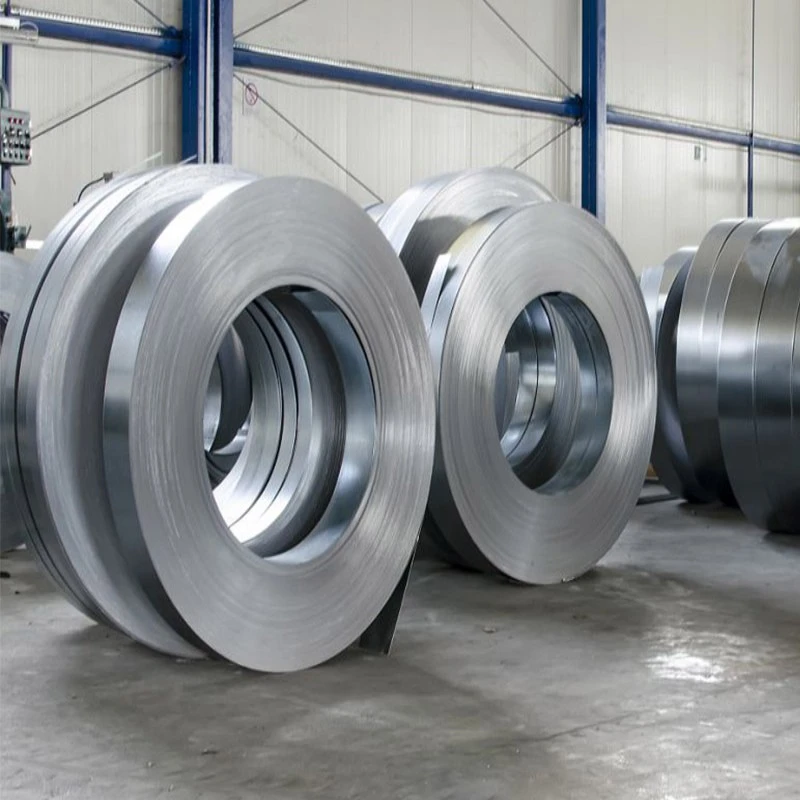

If you're in the market for high - quality Cold Rolled Strip, I'm here to help. I've been in this business for years, and I know how to provide the best products that meet your needs. Whether you're a small - scale manufacturer or a large industrial company, I can offer you the right cold rolled strip at a competitive price.
If you have any questions or are interested in purchasing cold rolled strip, feel free to reach out. I'm always happy to have a chat and discuss your requirements.
References
- "Steel Storage Guidelines" - Industry Handbook
- "Corrosion Prevention in Steel Products" - Research Paper