

As a supplier of U section steel black, I've witnessed firsthand the importance of understanding the phenomenon of stress corrosion cracking (SCC) in this material. SCC is a complex and potentially dangerous issue that can significantly impact the performance and longevity of U section steel black products. In this blog, I'll delve into what stress corrosion cracking of U section steel black is, its causes, effects, and how to prevent it.
What is Stress Corrosion Cracking?
Stress corrosion cracking is a type of material degradation that occurs when a metal is exposed to a combination of tensile stress and a corrosive environment. In the case of U section steel black, this can lead to the formation of cracks that can propagate through the material, ultimately causing failure. Unlike other forms of corrosion, SCC can occur even when the corrosion rate is relatively low, making it a particularly insidious problem.
The cracking process typically begins with the initiation of small cracks at the surface of the steel. These cracks can be caused by a variety of factors, including mechanical stress, such as bending or welding, and chemical reactions with the surrounding environment. Once the cracks are initiated, they can grow over time as the stress and corrosion continue to act on the material.
Causes of Stress Corrosion Cracking in U Section Steel Black
There are several factors that can contribute to the development of stress corrosion cracking in U section steel black. These include:
1. Tensile Stress
Tensile stress is a critical factor in SCC. It can be introduced during the manufacturing process, such as during rolling or bending, or it can be applied during service, such as in structural applications where the steel is subjected to loads. High levels of tensile stress can increase the likelihood of crack initiation and propagation.
2. Corrosive Environment
The presence of a corrosive environment is another essential factor in SCC. U section steel black can be exposed to a variety of corrosive substances, including salts, acids, and alkalis. These substances can react with the steel, causing the formation of corrosion products and weakening the material. In some cases, specific chemicals can act as catalysts for the cracking process.
3. Material Composition
The composition of the U section steel black can also influence its susceptibility to SCC. Certain alloying elements can either increase or decrease the material's resistance to corrosion and cracking. For example, steels with high levels of chromium and nickel tend to have better corrosion resistance, while those with high levels of carbon may be more prone to cracking.
4. Microstructure
The microstructure of the steel can also play a role in SCC. Factors such as grain size, phase composition, and the presence of inclusions can affect the material's mechanical properties and its resistance to corrosion. For instance, a fine-grained microstructure may provide better resistance to cracking than a coarse-grained one.
Effects of Stress Corrosion Cracking
The effects of stress corrosion cracking in U section steel black can be severe. Cracks can reduce the strength and integrity of the material, leading to structural failures. In applications such as bridges, buildings, and industrial equipment, SCC can pose a significant safety risk. Additionally, the presence of cracks can increase the cost of maintenance and repair, as well as the downtime associated with replacing damaged components.
Preventing Stress Corrosion Cracking in U Section Steel Black
Preventing stress corrosion cracking is crucial for ensuring the long-term performance and safety of U section steel black products. Here are some strategies that can be employed:
1. Material Selection
Choosing the right material is the first step in preventing SCC. Selecting a U section steel black with high corrosion resistance and good mechanical properties can significantly reduce the risk of cracking. For example, Equal Angle Steel Bar and H Section Steel Black may have different corrosion resistance properties, and choosing the appropriate one for the specific application is essential.
2. Stress Relief
Reducing the levels of tensile stress in the steel can help prevent SCC. This can be achieved through heat treatment processes, such as annealing or stress relieving, which can relieve the internal stresses introduced during manufacturing. Additionally, proper design and installation practices can minimize the introduction of external stresses during service.
3. Corrosion Protection
Applying a protective coating to the U section steel black can provide a barrier between the material and the corrosive environment. Coatings such as paints, galvanizing, or epoxy coatings can effectively prevent corrosion and reduce the risk of SCC. Regular inspection and maintenance of the coating are also necessary to ensure its effectiveness.
4. Environmental Control
Controlling the environment in which the U section steel black is used can also help prevent SCC. This may involve reducing the exposure to corrosive substances, such as by using proper ventilation or drainage systems. In some cases, adding inhibitors to the environment can also help reduce the corrosion rate.

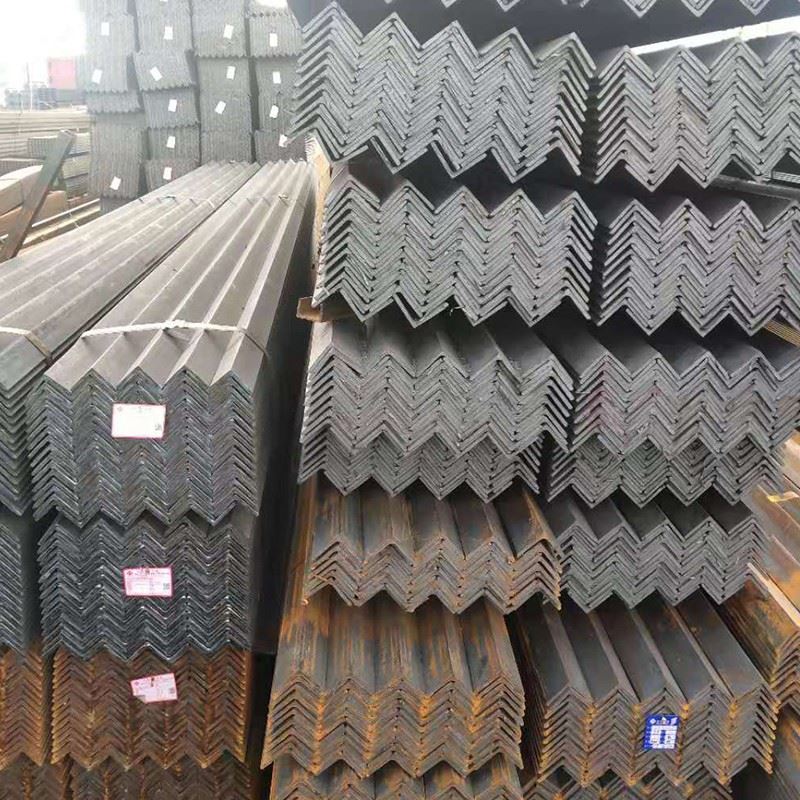
Case Studies
To illustrate the importance of understanding and preventing stress corrosion cracking in U section steel black, let's look at a few case studies.
Case Study 1: Bridge Structure
In a bridge structure, U section steel black was used in the construction of the support beams. Over time, the steel was exposed to a corrosive environment due to the presence of road salts and moisture. The combination of tensile stress from the weight of the bridge and the corrosive environment led to the development of stress corrosion cracking. As a result, several of the support beams had to be replaced, causing significant disruption and cost.
Case Study 2: Industrial Equipment
In an industrial setting, U section steel black was used in the construction of a storage tank. The tank was exposed to a chemical environment that contained acids and alkalis. Due to improper design and lack of corrosion protection, stress corrosion cracking occurred in the steel. This led to a leak in the tank, which resulted in environmental contamination and production downtime.
Conclusion
Stress corrosion cracking is a serious issue that can affect the performance and safety of U section steel black products. As a supplier, it's my responsibility to provide high-quality materials and offer guidance on how to prevent SCC. By understanding the causes and effects of SCC and implementing appropriate prevention strategies, we can ensure that our U section steel black products meet the highest standards of quality and reliability.
If you're interested in purchasing U section steel black or have any questions about stress corrosion cracking prevention, please feel free to contact me. I'm always happy to assist you in finding the right solutions for your specific needs.
References
- ASM Handbook, Volume 13A: Corrosion: Fundamentals, Testing, and Protection.
- Metals Handbook: Properties and Selection: Irons, Steels, and High-Performance Alloys.
- "Stress Corrosion Cracking in Metals" by R. W. Staehle.