

As a supplier of U section steel black, I've often been asked about its thermal insulation performance. In this blog, I'll delve into the details of what makes the thermal insulation of U section steel black tick, providing you with scientific insights and practical information.
Understanding the Basics of U Section Steel Black
U section steel black is a type of structural steel with a distinctive U - shaped cross - section. It is commonly used in construction, manufacturing, and various engineering applications due to its strength and versatility. The "black" in its name typically refers to the surface finish, which is often a natural oxide layer that forms during the manufacturing process.
Factors Affecting Thermal Insulation Performance
Material Composition
The thermal insulation performance of U section steel black is primarily determined by its material composition. Steel is generally a good conductor of heat. The main component of steel, iron, has a relatively high thermal conductivity. This means that, on its own, U section steel black is not an excellent thermal insulator. For example, the thermal conductivity of mild steel is around 45 W/(m·K). This high value indicates that heat can easily transfer through the steel, making it a poor choice for applications where high - level thermal insulation is required without additional measures.
Surface Area and Geometry
The U - shaped cross - section of the steel affects its thermal behavior. A larger surface area in contact with the surrounding environment allows for more heat transfer. The U section provides multiple surfaces that can exchange heat with the air or other materials. However, this can also be exploited in some cases. For instance, if the U section is used in a heat exchanger application, the large surface area can enhance heat transfer efficiency. But when it comes to thermal insulation, the large surface area can be a drawback.
Coating and Insulation Layers
One way to improve the thermal insulation performance of U section steel black is through the application of coatings or insulation layers. Specialized thermal barrier coatings can be applied to the surface of the steel. These coatings are designed to reduce the rate of heat transfer by reflecting or absorbing heat. Some coatings work by creating a low - emissivity surface, which reduces the amount of heat radiated from the steel surface. Additionally, adding insulation materials such as fiberglass, mineral wool, or foam insulation around the U section steel can significantly improve its thermal insulation properties.
Applications and Thermal Insulation Requirements
Construction
In construction, U section steel black is often used as a structural support. However, in buildings where energy efficiency is a priority, the thermal insulation of the steel components becomes crucial. For example, in cold climates, uninsulated steel can act as a thermal bridge, allowing heat to escape from the building. This not only increases energy consumption for heating but also can lead to condensation and moisture problems within the building structure. By using insulated U section steel, these issues can be mitigated. The steel can be wrapped with insulation materials during the construction process to reduce heat transfer and improve the overall energy efficiency of the building.
Industrial Applications
In industrial settings, U section steel black may be used in machinery or equipment. Depending on the nature of the application, different levels of thermal insulation may be required. For example, in a food processing plant, the U section steel used in conveyor systems may need to be insulated to prevent heat transfer that could affect the temperature - sensitive products. On the other hand, in a high - temperature industrial furnace, the steel may need to be protected from excessive heat to maintain its structural integrity. Specialized high - temperature insulation materials can be used in such cases.

Comparing with Other Steel Products
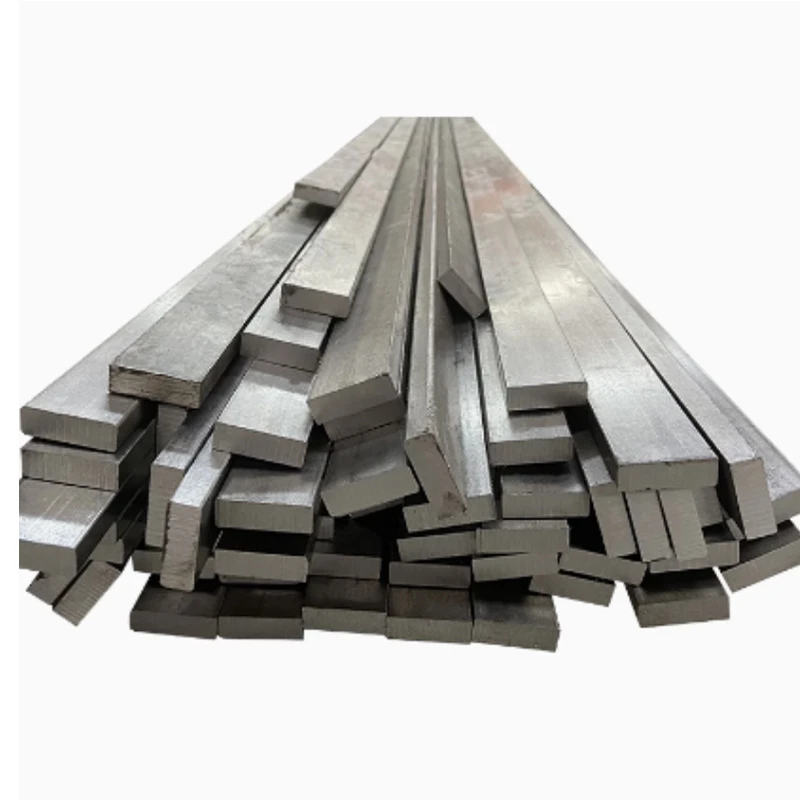
When comparing the thermal insulation performance of U section steel black with other steel products, it's important to consider their respective geometries and applications. For example, Mild Steel Flat Bar Black has a flat cross - section. The flat surface area may result in a different heat transfer pattern compared to the U section. The flat bar may have a more uniform heat transfer across its surface, while the U section has more complex heat transfer due to its shape.
Hot Rolled Steel Equal Leg Angle has an L - shaped cross - section. Similar to the U section, the multiple surfaces of the angle can affect heat transfer. However, the angle's geometry may result in different heat flow patterns and rates compared to the U section.
Steel Round Bar 12mm has a circular cross - section. The round shape has a relatively small surface - area - to - volume ratio compared to the U section. This means that the heat transfer rate through the round bar may be different, and in some cases, it may have better thermal insulation characteristics in terms of reducing heat transfer through conduction.
Improving Thermal Insulation in Practice
As a supplier, I can offer solutions to improve the thermal insulation of U section steel black. We can provide U section steel with pre - applied thermal barrier coatings. These coatings are tested and proven to reduce heat transfer by a significant margin. Additionally, we can assist customers in selecting the appropriate insulation materials to wrap around the U section steel. Our team of experts can offer advice on the best insulation thickness and installation methods based on the specific application requirements.
Conclusion
In conclusion, the thermal insulation performance of U section steel black is influenced by multiple factors, including material composition, surface area, and geometry. While steel itself is a relatively poor thermal insulator, there are ways to improve its thermal insulation properties through coatings and insulation layers. Understanding the specific thermal insulation requirements of different applications is crucial for making the right choices.
If you are in need of U section steel black or have questions about its thermal insulation performance, I encourage you to reach out for a detailed discussion. We are committed to providing high - quality products and solutions that meet your specific needs. Whether you are a construction company looking to improve the energy efficiency of a building or an industrial manufacturer in need of insulated steel components, we are here to help. Contact us to start a procurement discussion and find the best solutions for your projects.
References
- Incropera, F. P., & DeWitt, D. P. (2002). Fundamentals of Heat and Mass Transfer. John Wiley & Sons.
- Holman, J. P. (2010). Heat Transfer. McGraw - Hill.