

Are all steel strips magnetic? This is a question that often comes up in our industry as a steel strip supplier. The answer is not as straightforward as one might think, and it involves a deep understanding of the composition and processing of steel strips.
Understanding the Basics of Magnetism in Steel
Magnetism in steel is primarily determined by its crystal structure and the presence of certain elements. Iron, which is the main component of steel, is ferromagnetic, meaning it can be magnetized. However, the magnetic properties of steel can be significantly altered by the addition of other elements and the manufacturing processes it undergoes.
In general, pure iron and most carbon steels are magnetic. These steels have a body - centered cubic (BCC) crystal structure at room temperature, which allows for easy alignment of magnetic domains. When exposed to a magnetic field, the magnetic domains within the steel align, creating a net magnetic field and causing the steel to be attracted to magnets.
Types of Steel Strips and Their Magnetic Properties
Cold Rolled Strip
Cold Rolled Strip is produced by rolling steel at room temperature. This process increases the strength and hardness of the steel strip by work - hardening. Cold - rolled steel strips are typically made from low - carbon steels, which are magnetic. The cold - rolling process does not change the fundamental magnetic nature of the steel. The alignment of the grains during cold rolling may, in some cases, enhance the magnetic properties slightly by making it easier for the magnetic domains to align. So, in most cases, cold - rolled steel strips are magnetic and can be used in applications where magnetic properties are required, such as in electrical transformers and magnetic shielding.
Hot Rolled Strip
Hot Rolled Strip is manufactured by rolling steel at high temperatures, usually above the recrystallization temperature of the steel. This process results in a more ductile and less work - hardened steel compared to cold - rolled steel. Similar to cold - rolled steel, hot - rolled steel strips made from carbon steels are magnetic. The high - temperature rolling process allows the steel to have a more uniform crystal structure, which also contributes to its magnetic properties. However, the surface finish of hot - rolled steel is rougher than that of cold - rolled steel, which may have a minor impact on its magnetic performance in some precision applications.
Hot Dipped Galvanized Steel Strip
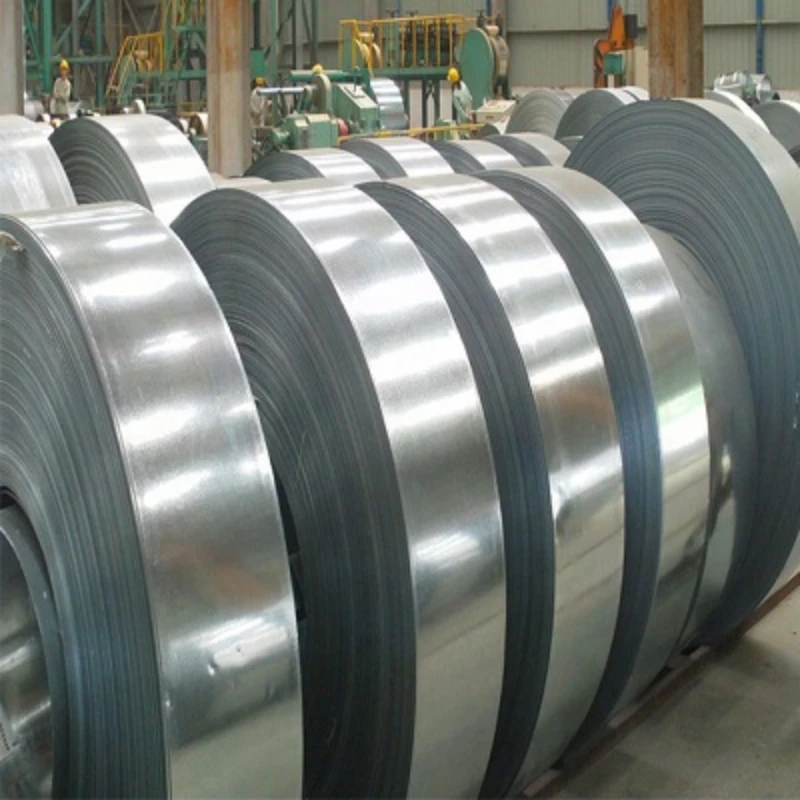
Hot Dipped Galvanized Steel Strip is a steel strip that has been coated with a layer of zinc through a hot - dipping process. The base steel in hot - dipped galvanized steel strips is usually a carbon steel, which is magnetic. The zinc coating itself is not magnetic, but it does not significantly affect the magnetic properties of the underlying steel. The thickness of the zinc coating is relatively thin compared to the thickness of the steel strip, so the overall magnetic behavior of the hot - dipped galvanized steel strip is similar to that of the uncoated steel strip. However, in some cases where very precise magnetic measurements are required, the presence of the zinc coating may need to be considered.
Exceptions to the Rule: Non - Magnetic Steel Strips
Not all steel strips are magnetic. Austenitic stainless steels are an example of non - magnetic steel strips. Austenitic stainless steels contain high levels of chromium and nickel, which stabilize the austenitic crystal structure. The austenitic structure is face - centered cubic (FCC) at room temperature, and it does not allow for easy alignment of magnetic domains. As a result, austenitic stainless steel strips are non - magnetic. These non - magnetic steel strips are used in applications where magnetic interference needs to be avoided, such as in electronic devices and some medical equipment.
Factors Affecting the Magnetic Properties of Steel Strips
Apart from the composition and crystal structure, there are other factors that can affect the magnetic properties of steel strips. Heat treatment can change the crystal structure of the steel, thereby altering its magnetic properties. For example, quenching and tempering can transform the microstructure of the steel, which may either enhance or reduce its magnetic properties depending on the specific heat - treatment parameters.
The presence of impurities in the steel can also have an impact on its magnetism. Some elements, such as sulfur and phosphorus, can act as impurities and disrupt the alignment of magnetic domains, reducing the magnetic strength of the steel. Additionally, mechanical stress can cause changes in the magnetic properties of steel strips. When a steel strip is under stress, the magnetic domains may be distorted, leading to a change in its magnetic behavior.

Applications of Magnetic and Non - Magnetic Steel Strips
Magnetic steel strips have a wide range of applications. In the electrical industry, they are used in the construction of motors, generators, and transformers. The magnetic properties of the steel allow for efficient transfer of electrical energy through the generation and manipulation of magnetic fields. In the automotive industry, magnetic steel strips are used in various components, such as sensors and actuators.
Non - magnetic steel strips, on the other hand, are used in applications where magnetic interference is a concern. In the electronics industry, non - magnetic steel strips are used in the manufacturing of hard drives, where any magnetic interference could cause data corruption. In the medical field, non - magnetic steel strips are used in MRI machines and other medical equipment to ensure accurate and interference - free operation.
Conclusion
In conclusion, not all steel strips are magnetic. While most carbon steel strips, including cold - rolled, hot - rolled, and hot - dipped galvanized steel strips, are magnetic due to their iron - based composition and suitable crystal structures, there are exceptions such as austenitic stainless steel strips, which are non - magnetic. Understanding the magnetic properties of steel strips is crucial for selecting the right material for specific applications.
As a steel strip supplier, we have a wide range of steel strips available, both magnetic and non - magnetic, to meet the diverse needs of our customers. Whether you need a magnetic steel strip for an electrical application or a non - magnetic one for an electronic device, we can provide you with high - quality products. If you are interested in purchasing steel strips or have any questions about their magnetic properties, please feel free to contact us for further discussion and procurement negotiations.
References
- ASM Handbook Volume 1: Properties and Selection: Irons, Steels, and High - Performance Alloys.
- Introduction to the Physical Metallurgy of Iron and Steel by Brian C. De Cooman.
- Magnetic Materials and Their Applications by E. C. Stoner and E. P. Wohlfarth.