

The railway industry stands as a cornerstone of global transportation, facilitating the movement of people and goods across vast distances with efficiency and reliability. At the heart of this industry lies a variety of materials, with section steel emerging as a key component. As a section steel supplier deeply involved in the railway sector, I have witnessed firsthand the diverse and crucial applications of section steel. In this blog, I will delve into the multifaceted uses of section steel in the railway industry, highlighting its significance and the specific types of section steel employed.
Track Construction
One of the most fundamental applications of section steel in the railway industry is in track construction. Rails, the very backbone of the railway system, are typically made from high - quality steel. These rails need to withstand heavy loads, repetitive stress, and harsh environmental conditions. The use of section steel in rails ensures stability and durability. For example, the standard I - beam section steel is commonly used for rails. Its shape provides excellent load - bearing capacity, distributing the weight of trains evenly across the track.
In addition to the main rails, section steel is also used in the construction of sleepers. Sleepers are the transverse beams that support the rails and keep them in place. They are usually made from steel sections, such as the Lip C Section Steel. The lip on the C - section provides additional strength and stability, preventing the sleepers from shifting under the weight of passing trains. This type of section steel is also resistant to corrosion, which is essential for sleepers that are often exposed to the elements.
Bridge Building
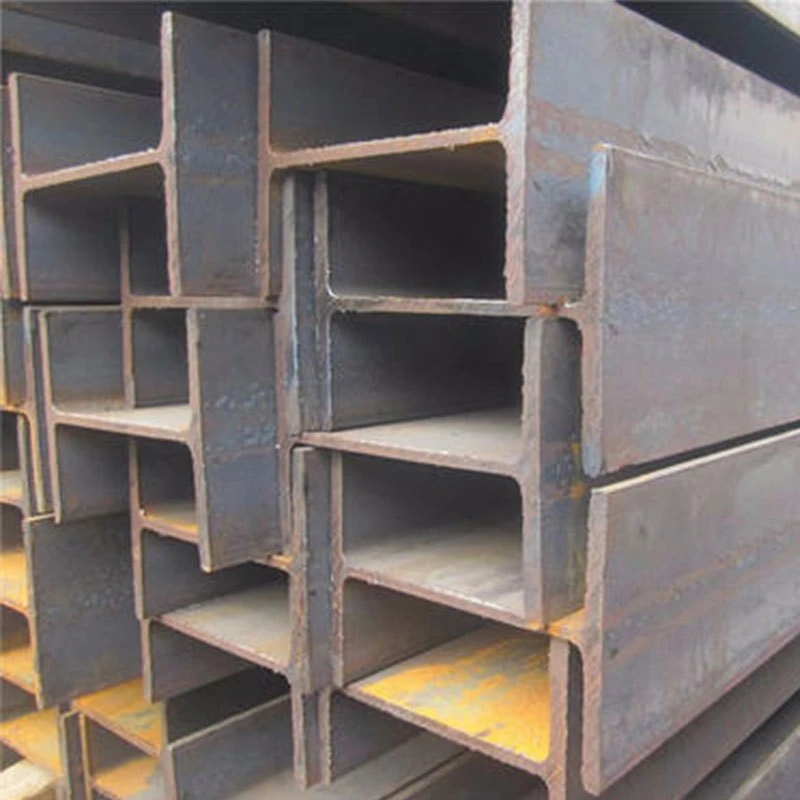
Railway bridges are essential for crossing rivers, valleys, and other obstacles. Section steel plays a vital role in the construction of these bridges. Black H - Beams Steel is a popular choice for bridge construction. The H - shape of the beam provides high moment of inertia, making it capable of withstanding large bending moments and shear forces. This is crucial for railway bridges, which need to support the heavy weight of trains passing over them.
The framework of railway bridges is often constructed using various section steel components. These components are welded or bolted together to form a strong and stable structure. The use of section steel allows for pre - fabrication of bridge components in the factory, which can then be transported to the construction site for assembly. This not only speeds up the construction process but also ensures high quality and precision.
Rolling Stock Manufacturing
Section steel is also extensively used in the manufacturing of rolling stock, including locomotives, passenger cars, and freight wagons. In the body structure of rolling stock, section steel is used to form the frame. The frame provides the structural integrity of the vehicle, protecting passengers and cargo from external forces.
For example, the side frames and end frames of passenger cars are often made from steel sections. These frames need to be lightweight yet strong to ensure the energy efficiency and safety of the vehicle. The Steel Round Bar 12mm can be used in the internal reinforcement of the body structure. It provides additional strength and support, especially in areas that are subject to high stress, such as the corners and joints.
Station and Depot Construction
Railway stations and depots are large - scale infrastructure projects that require a significant amount of section steel. In the construction of station buildings, section steel is used for the framework of the structure. The columns and beams made from section steel support the roof and the upper floors of the station. This allows for large - span structures, creating open and spacious interiors for passengers.
In railway depots, where trains are maintained and repaired, section steel is used in the construction of workshops and storage facilities. The use of section steel in these buildings provides a strong and durable structure that can withstand the heavy equipment and machinery used in the depot.
Signaling and Communication Systems
Section steel also finds its application in the railway signaling and communication systems. Signal masts and communication towers are often made from steel sections. These structures need to be tall and stable to ensure the proper functioning of the signaling and communication equipment. The use of section steel provides the necessary strength and height for these masts and towers.

Advantages of Using Section Steel in the Railway Industry
The use of section steel in the railway industry offers several advantages. Firstly, section steel has high strength - to - weight ratio. This means that it can provide the required strength while keeping the overall weight of the structure or vehicle relatively low. This is crucial for energy efficiency, especially in rolling stock and bridges.
Secondly, section steel is highly durable. It can withstand harsh environmental conditions, such as corrosion, extreme temperatures, and mechanical wear. This reduces the maintenance cost and extends the service life of railway infrastructure.
Thirdly, section steel is easy to fabricate and install. It can be cut, welded, and bolted to form various shapes and structures. This allows for flexibility in design and construction, meeting the specific requirements of different railway projects.
Conclusion
In conclusion, section steel plays a vital role in the railway industry, from track construction to signaling systems. Its diverse applications and numerous advantages make it an indispensable material for the development and operation of the railway network. As a section steel supplier, I am proud to be part of this industry, providing high - quality section steel products to support the growth and modernization of the railway sector.
If you are involved in the railway industry and are looking for reliable section steel products, I encourage you to contact me for more information. We can discuss your specific requirements and find the most suitable section steel solutions for your projects. Whether it is for a small - scale track repair or a large - scale railway bridge construction, we have the expertise and resources to meet your needs.
References
- "Handbook of Railway Engineering" - A comprehensive reference book on railway engineering, covering various aspects of railway construction and operation.
- "Steel Structures in Civil Engineering" - A book that focuses on the use of steel in civil engineering projects, including railway infrastructure.
- Industry reports and research papers on the latest trends and developments in the railway industry and the use of section steel.