

Can section steel be recycled? This is a question that often pops up in the minds of many, especially those involved in the construction and manufacturing industries. As a section steel supplier, I've had numerous conversations with clients about the recyclability of section steel, and I'm here to shed some light on this important topic.
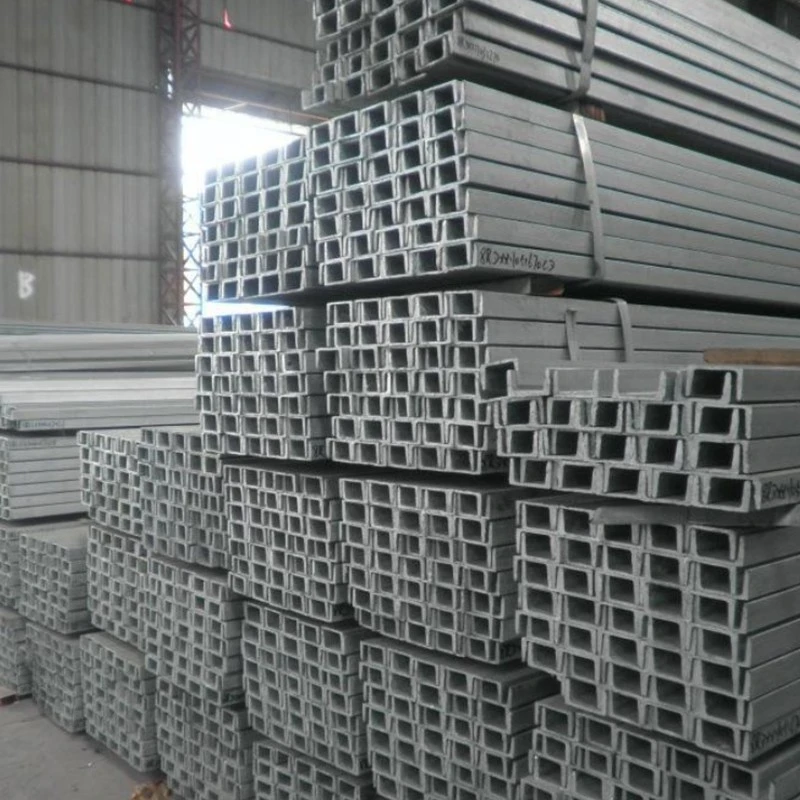
Section steel comes in various forms, such as Equal Angle Steel Bar, U Section Steel Black, and Deformed Steel Bar 10mm. These different types of section steel are widely used in construction, machinery manufacturing, and other fields due to their strength, durability, and versatility.
The short answer to the question is yes, section steel can be recycled. In fact, steel is one of the most recycled materials in the world. The recycling process of section steel offers several significant advantages, both from an environmental and economic perspective.
Environmental Benefits of Recycling Section Steel
One of the primary environmental benefits of recycling section steel is the conservation of natural resources. Steel is made from iron ore, a finite resource. By recycling section steel, we reduce the need for extensive mining operations, which can have a significant impact on the environment, including deforestation, soil erosion, and water pollution.
Recycling also consumes less energy compared to the production of new steel from raw materials. The energy savings can be substantial, as the recycling process requires only a fraction of the energy needed to produce steel from scratch. This reduction in energy consumption helps to lower greenhouse gas emissions, contributing to the fight against climate change.
Moreover, recycling section steel reduces the amount of waste sent to landfills. Steel waste takes up a large amount of space in landfills, and over time, it can corrode and release harmful substances into the soil and groundwater. By recycling, we can divert this waste from landfills and give it a new life.
The Recycling Process of Section Steel
The recycling process of section steel typically begins with the collection of scrap steel. This can come from various sources, such as old buildings, bridges, machinery, and manufacturing waste. Once the scrap steel is collected, it is sorted and cleaned to remove any impurities, such as paint, rust, and non - ferrous metals.
After cleaning, the scrap steel is melted in a furnace. Modern furnaces can reach extremely high temperatures, allowing the steel to be melted quickly and efficiently. During the melting process, the chemical composition of the steel can be adjusted to meet specific requirements. For example, alloying elements can be added to enhance the strength or corrosion resistance of the recycled steel.
Once the steel is melted and refined, it is cast into new section steel products. These new products can have the same quality and performance as those made from virgin materials. The entire recycling process is highly efficient and can be repeated multiple times without significant loss of quality.
Economic Advantages of Recycling Section Steel
From an economic perspective, recycling section steel can be very beneficial. For steel suppliers like me, using recycled steel can reduce production costs. The cost of scrap steel is generally lower than that of virgin materials, and the energy savings in the recycling process also contribute to cost reduction. These cost savings can be passed on to customers, making recycled section steel a more affordable option.
Recycling also creates jobs in the recycling and steel manufacturing industries. From the collection and sorting of scrap steel to the operation of recycling facilities and the production of new steel products, there are many employment opportunities at different stages of the recycling process.
Quality of Recycled Section Steel
Some people may have concerns about the quality of recycled section steel. However, modern recycling technologies ensure that the quality of recycled steel is comparable to that of new steel. Through strict quality control measures, the chemical composition, mechanical properties, and dimensional accuracy of recycled section steel can be precisely controlled.
For example, in the construction industry, recycled section steel is widely used in the construction of buildings, bridges, and other structures. It meets all the necessary safety and performance standards, providing reliable support and durability.
Challenges in Recycling Section Steel
While the recycling of section steel offers many benefits, there are also some challenges. One of the main challenges is the collection and sorting of scrap steel. Scrap steel is often scattered in different locations, and collecting it can be a logistical challenge. Additionally, sorting the scrap steel to remove impurities and separate different types of steel requires specialized equipment and expertise.

Another challenge is the presence of contaminants in the scrap steel. Some scrap steel may be contaminated with radioactive materials, chemicals, or other harmful substances. These contaminants need to be carefully removed during the recycling process to ensure the safety and quality of the recycled steel.
Conclusion
In conclusion, section steel can definitely be recycled, and the benefits of recycling are numerous. From environmental protection and energy savings to economic advantages and job creation, recycling section steel is a win - win situation. As a section steel supplier, I'm committed to promoting the use of recycled section steel and contributing to a more sustainable future.
If you're interested in purchasing section steel, whether it's Equal Angle Steel Bar, U Section Steel Black, or Deformed Steel Bar 10mm, I'd be more than happy to have a discussion with you. Please feel free to reach out to me to start a procurement negotiation. Let's work together to build a more sustainable and prosperous future with high - quality section steel.
References
- American Iron and Steel Institute. (202X). Steel Recycling Facts.
- World Steel Association. (202X). The Environmental Benefits of Steel Recycling.
- Institute of Scrap Recycling Industries. (202X). Recycling and the Circular Economy in the Steel Industry.