

Can welded metal mesh be used for greenhouse fencing?
As a supplier of welded metal mesh, I often get asked this question by customers who are looking to set up or upgrade their greenhouses. In this blog post, I'll explore the viability of using welded metal mesh for greenhouse fencing, discussing its advantages, potential drawbacks, and some key considerations.
Advantages of Using Welded Metal Mesh for Greenhouse Fencing
Durability
One of the most significant advantages of using welded metal mesh for greenhouse fencing is its durability. Welded metal mesh is typically made from high - grade steel or other metals that are resistant to corrosion, rust, and wear. This means that it can withstand the harsh environmental conditions often found in and around greenhouses, such as high humidity, fluctuating temperatures, and exposure to various chemicals used in plant cultivation. Whether it's the acidic nature of some fertilizers or the moisture - rich environment, welded metal mesh can maintain its structural integrity over an extended period. For example, in a large commercial greenhouse that has been using welded metal mesh fencing for over a decade, the mesh shows only minimal signs of wear and tear, continuing to provide reliable protection.
Security
Security is a crucial aspect of any greenhouse. Welded metal mesh can act as a strong barrier against intruders, whether they are animals or humans. The tight grid pattern of the mesh makes it difficult for small animals like rabbits or rodents to squeeze through, protecting the precious plants inside. At the same time, it can also deter human trespassers. A well - installed welded metal mesh fence can be a visible deterrent, and its strength can withstand attempts to break through. In addition, it can be combined with other security features such as locks on gates, further enhancing the overall security of the greenhouse.
Versatility
Welded metal mesh comes in a variety of sizes, shapes, and configurations, making it highly versatile for greenhouse fencing. You can choose from different mesh sizes depending on your specific needs. A smaller mesh size might be ideal if you want to prevent very small insects from entering the greenhouse, while a larger mesh size could be sufficient for keeping out larger animals. Moreover, the mesh can be easily cut and shaped to fit the contours of the greenhouse. Whether you have a rectangular, circular, or irregularly shaped greenhouse, welded metal mesh can be customized to create a perfect - fitting fence. For instance, if you have a greenhouse with a curved entrance, the mesh can be bent and formed to match the curve, providing a seamless fencing solution.
Ventilation and Light Transmission
Unlike some solid fencing materials, welded metal mesh allows for good ventilation and light transmission. In a greenhouse, proper ventilation is essential for maintaining a healthy growing environment. The open spaces in the mesh allow air to circulate freely, reducing the risk of mold and mildew growth and helping to regulate the temperature and humidity inside. At the same time, it also allows sunlight to penetrate, which is crucial for plant growth. This means that the plants inside the greenhouse can receive adequate sunlight while still being protected by the fence.
Potential Drawbacks of Using Welded Metal Mesh for Greenhouse Fencing
Initial Cost
One of the main drawbacks of using welded metal mesh for greenhouse fencing is the initial cost. High - quality welded metal mesh, especially those made from premium materials, can be relatively expensive compared to some other fencing options. The cost includes not only the price of the mesh itself but also the installation costs. However, it's important to consider the long - term benefits. Given its durability, the welded metal mesh can last for many years without the need for frequent replacements, which can offset the initial high cost over time.
Aesthetics
Some people might find that welded metal mesh fencing is not as aesthetically pleasing as other types of fencing, such as wooden or vinyl fences. The industrial look of the metal mesh might not blend well with the natural and often decorative environment of a greenhouse. However, there are ways to mitigate this issue. For example, you can paint the mesh in a color that matches the overall theme of the greenhouse or add some decorative elements to make it more visually appealing.
Maintenance
Although welded metal mesh is generally durable, it still requires some maintenance. Over time, the mesh might get dirty or accumulate debris, which can affect its appearance and potentially its functionality. In addition, if the mesh is not properly coated or treated, it might start to rust in areas where the coating has been damaged. Regular cleaning and inspection are necessary to ensure that the fence remains in good condition.
Key Considerations When Using Welded Metal Mesh for Greenhouse Fencing
Mesh Size
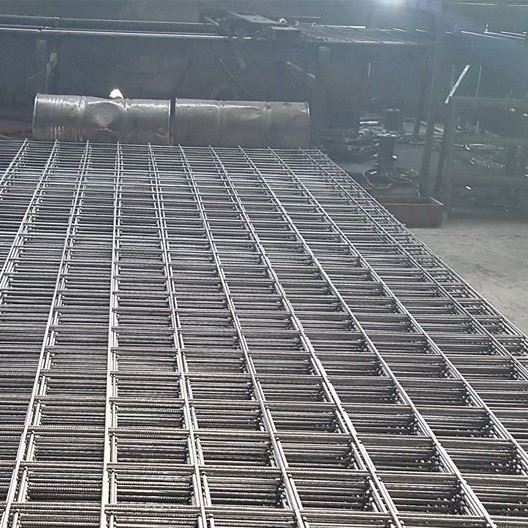
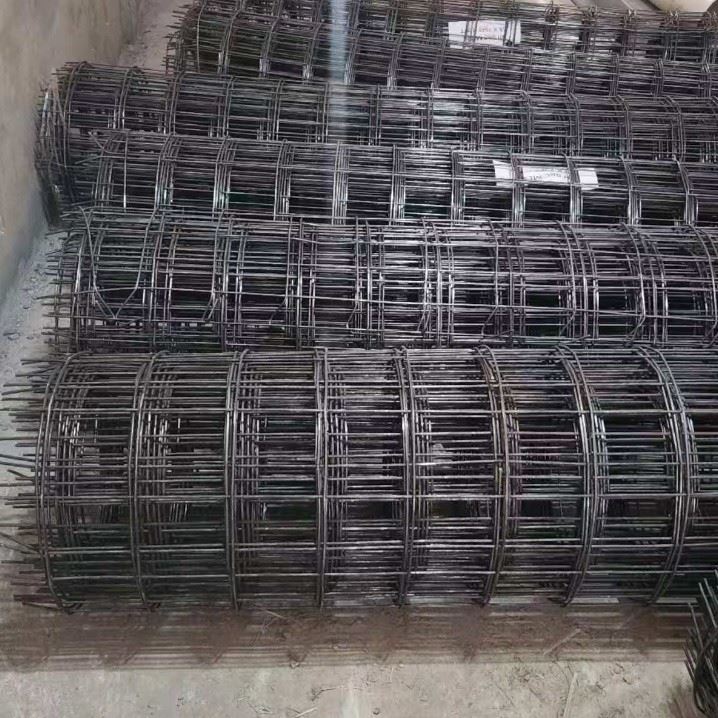
As mentioned earlier, choosing the right mesh size is crucial. Consider the type of pests or animals you want to keep out. If you are mainly concerned about small insects, a mesh size of 1/8 inch or smaller might be appropriate. For larger animals like rabbits, a mesh size of 1/2 inch to 1 inch could be sufficient. You can also refer to the Metal Mesh Plate on our website, which provides a variety of mesh sizes and specifications to meet different needs.
Material Quality
The quality of the metal used in the welded mesh is of utmost importance. Look for meshes made from high - grade steel that has been properly coated or galvanized to prevent corrosion. High - quality materials will ensure the long - term durability of the fence. We offer Welding Rods 12.7mm which are used in the manufacturing process of our welded metal mesh, ensuring strong and reliable welds.
Installation
Proper installation is key to the effectiveness of the welded metal mesh fence. Make sure the fence is securely anchored to the ground to prevent it from being easily pushed over or damaged. If you are not experienced in fence installation, it might be a good idea to hire a professional. Our team can provide installation guidance and support to ensure that your greenhouse fence is installed correctly.
Compatibility with Other Structures
Consider how the welded metal mesh fence will interact with other structures in the greenhouse, such as doors, windows, and irrigation systems. The fence should not interfere with the normal operation of these components. For example, when installing the fence near a door, make sure there is enough space for the door to open and close freely.
Conclusion
In conclusion, welded metal mesh can be an excellent choice for greenhouse fencing. Its durability, security, versatility, ventilation, and light - transmission properties make it a practical option for protecting your greenhouse and its plants. While there are some potential drawbacks such as initial cost and aesthetics, these can be managed with proper planning and maintenance. If you are considering using welded metal mesh for your greenhouse fencing, we encourage you to reach out to us. As a leading supplier of welded metal mesh, we offer a wide range of products, including Concrete Reinforcing Mesh, to meet your specific needs. We can provide you with detailed product information, competitive pricing, and professional advice. Contact us today to start the conversation about your greenhouse fencing project.
References
- "Fencing Materials and Their Applications in Agricultural Settings" - Journal of Agricultural Engineering
- "The Impact of Fencing on Greenhouse Security and Plant Health" - International Journal of Horticulture