

Selecting the right metal mesh plate for a solar panel mounting structure is a critical decision that can significantly impact the efficiency, durability, and overall performance of your solar power system. As a trusted metal mesh plate supplier, I understand the complexities involved in this selection process. In this blog, I'll share valuable insights to help you make an informed choice.
Understanding the Role of Metal Mesh Plates in Solar Panel Mounting Structures
Metal mesh plates play a crucial role in solar panel mounting structures. They provide a stable foundation for the solar panels, distribute the weight evenly, and offer protection against various environmental factors. The right mesh plate can enhance the structural integrity of the mounting system, ensuring that the solar panels remain in place even in harsh weather conditions. It also helps in reducing the risk of damage caused by wind, snow, and other external forces.
Factors to Consider When Selecting a Metal Mesh Plate
Material Quality
The quality of the material is the first and foremost factor to consider. High - quality metals are more resistant to corrosion, rust, and wear. Common materials used for metal mesh plates in solar panel mounting structures include stainless steel, galvanized steel, and aluminum.
Stainless steel is known for its excellent corrosion resistance, making it a great choice for coastal areas or regions with high humidity. Galvanized steel, on the other hand, is coated with a layer of zinc, which provides a sacrificial barrier against corrosion. Aluminum is lightweight and also highly resistant to corrosion, making it suitable for projects where weight is a concern.
Mesh Size and Pattern
The mesh size and pattern are key considerations. The mesh size should be appropriate for the size of the solar panels and the mounting requirements. A smaller mesh size provides more support and stability, but it may also increase the cost and weight of the plate. A larger mesh size, while reducing weight and cost, may not offer sufficient support in some cases.
The pattern of the mesh can also affect its performance. Different patterns, such as square, rectangular, or diamond, have different strength characteristics. For example, a square - patterned mesh may offer more uniform support in all directions, while a diamond - patterned mesh can be more flexible in certain applications.
Load - Bearing Capacity
The load - bearing capacity of the metal mesh plate is crucial. It needs to be able to support the weight of the solar panels, as well as any additional loads such as snow, ice, or wind. You should calculate the total load that the mounting structure will be subjected to and choose a mesh plate with a sufficient load - bearing capacity. This information can usually be obtained from the manufacturer's specifications.
Corrosion Resistance
As solar panels are often installed outdoors, the metal mesh plate must be able to withstand corrosion. Corrosion can weaken the structure over time, leading to potential failures. In addition to choosing corrosion - resistant materials like stainless steel or galvanized steel, the surface treatment of the mesh plate also matters. For instance, Hot Dipped Welding galvanized wire mesh undergoes a hot - dip galvanizing process, which provides a thick and durable zinc coating, offering excellent corrosion protection.
Compatibility
The metal mesh plate should be compatible with the rest of the solar panel mounting system, including the brackets, rails, and fasteners. Compatibility ensures a seamless installation process and optimal performance of the entire system. You need to ensure that the dimensions, connection methods, and material properties of the mesh plate are in line with the requirements of the other components.
Our Offerings as a Metal Mesh Plate Supplier
We take pride in offering a wide range of high - quality metal mesh plates for solar panel mounting structures. Our products are made from top - grade materials, including stainless steel, galvanized steel, and aluminum, ensuring excellent durability and performance.
We offer various mesh sizes and patterns to meet different project requirements. Whether you need a fine mesh for precise support or a coarser mesh for a more cost - effective solution, we have you covered. Our plates are designed with a high load - bearing capacity, so you can be confident that they will support your solar panels safely.
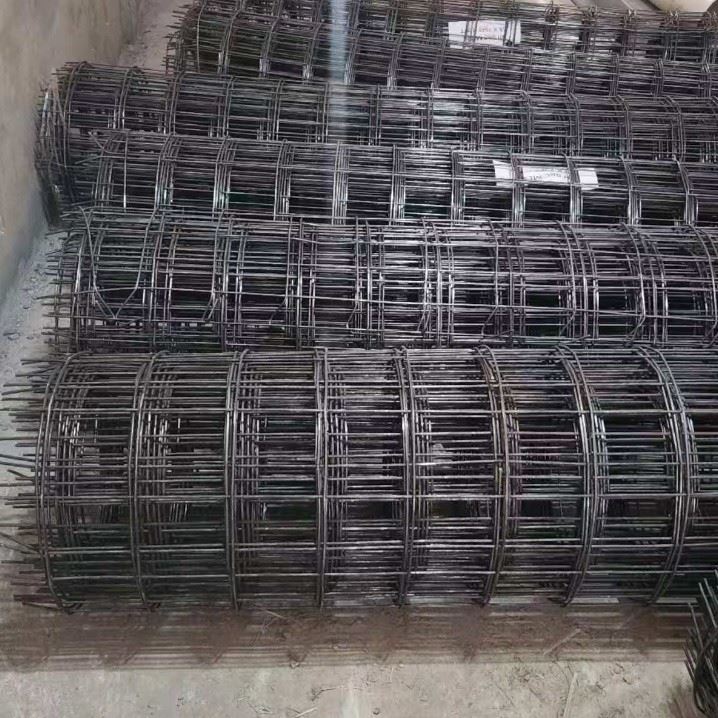
In terms of corrosion resistance, we provide different surface treatment options. Our Concrete Reinforcing Mesh and Hot Dipped Welding galvanized wire mesh are perfect examples of our commitment to corrosion - resistant solutions.
We also pay great attention to compatibility. Our team of experts can assist you in selecting the right mesh plate that is compatible with your existing or planned solar panel mounting components. We understand that a well - integrated system is essential for the long - term success of your solar power project.
Installation and Maintenance Considerations
Proper installation of the metal mesh plate is vital for the performance of the solar panel mounting structure. Follow the manufacturer's installation guidelines carefully to ensure that the plate is correctly positioned and secured. Incorrect installation can lead to uneven weight distribution, which may cause premature wear and tear or even structural failure.
Regular maintenance is also necessary to extend the lifespan of the metal mesh plate. Inspect the plate periodically for signs of corrosion, damage, or loose connections. If any issues are found, address them promptly. Clean the mesh plate regularly to remove dirt, debris, and other contaminants that may accelerate corrosion.
Cost - Benefit Analysis
While cost is an important factor in any procurement decision, it should not be the only consideration when selecting a metal mesh plate for a solar panel mounting structure. A lower - cost option may seem attractive initially, but it could lead to higher long - term costs if it lacks the necessary quality and durability.
Investing in a high - quality metal mesh plate may cost more upfront, but it can save you money in the long run by reducing the need for frequent replacements and repairs. Consider the overall cost - benefit ratio, taking into account factors such as material quality, lifespan, and performance.
Making the Right Decision
To make the right decision when selecting a metal mesh plate, start by clearly defining your project requirements. Consider factors such as the location of the solar installation (e.g., coastal, inland, high - altitude), the size and weight of the solar panels, and the expected environmental conditions.
Research different suppliers and compare their products. Look for suppliers with a good reputation, extensive experience in the industry, and a track record of providing high - quality products. Read customer reviews and testimonials to get an idea of the supplier's reliability and the performance of their products.
Finally, don't hesitate to reach out to the supplier for more information. Our team of experts is always ready to answer your questions, provide technical advice, and help you select the most suitable metal mesh plate for your solar panel mounting structure.

Contact Us for Procurement
If you're in the process of selecting a metal mesh plate for your solar panel mounting structure, we'd love to be your partner. Our commitment to quality, wide range of products, and expert support make us the ideal choice for your project. Whether you need a standard product or a customized solution, we can meet your needs. Contact us today to start the procurement process and take the first step towards a successful solar power project.
References
- "Solar Power Systems Design and Installation Handbook"
- Industry reports on metal materials for solar panel mounting structures