

Hey there! I'm a supplier of unequal angle steel bars, and I know that transporting these bars safely is super important. In this blog, I'll share some tips and tricks on how to make sure your unequal angle steel bars get to their destination in one piece.
First things first, let's talk about why safe transportation matters. Unequal angle steel bars are used in a wide range of construction and manufacturing projects. If they get damaged during transport, it can lead to delays, extra costs, and even safety issues on the job site. So, taking the time to transport them safely is definitely worth it.
Pre - transport Preparation
Before you even start loading the unequal angle steel bars, you need to do some prep work. First, inspect the bars. Look for any signs of damage like cracks, bends, or rust. If you find any issues, it's best to address them before transport. You don't want to send out damaged bars to your customers.
Next, you need to choose the right packaging. Wrapping the bars in protective materials like plastic or cardboard can prevent scratches and minor dents. You can also use strapping to bundle the bars together. This not only keeps them organized but also makes them easier to handle during loading and unloading.
When it comes to choosing the right vehicle for transport, size and capacity are key. You need a truck or trailer that can accommodate the quantity and length of your unequal angle steel bars. Make sure the vehicle has a flat and stable surface. Uneven surfaces can cause the bars to shift during transit, which can lead to damage.
Loading the Bars
Loading the unequal angle steel bars correctly is crucial. Start by placing the heavier bars at the bottom. This helps to keep the center of gravity low and makes the load more stable. You can stack the bars in an orderly way, making sure they are aligned properly.
Use proper lifting equipment like cranes or forklifts. These tools are designed to handle heavy loads safely. When using a crane, make sure the slings or hooks are securely attached to the bars. For forklifts, use the right attachments to grip the bars firmly.
It's also a good idea to use blocking and bracing. Place wooden blocks or braces between the bars to prevent them from moving around. You can also use metal brackets to secure the load to the vehicle. This will help to keep the bars in place during bumps and turns on the road.
Securing the Load
Once the bars are loaded, you need to secure them properly. Straps are a great way to do this. Use high - strength straps to tie down the bars to the vehicle. Make sure the straps are tight enough to hold the load but not so tight that they damage the bars.
Check the tension of the straps regularly. During transit, the straps may loosen due to vibrations. You can use a tensioning tool to adjust the tightness of the straps if needed.
In addition to straps, you can also use chains. Chains are very strong and can provide extra security, especially for heavier loads. Just make sure the chains are properly attached and tightened.
Transit Considerations
During the journey, there are a few things you need to keep in mind. First, drive carefully. Avoid sudden stops, starts, and sharp turns. These actions can cause the bars to shift and potentially damage them.
Monitor the load regularly. If you're making a long - distance trip, stop at regular intervals to check on the bars. Look for any signs of movement or damage. If you notice any issues, stop and make the necessary adjustments.
Weather conditions can also affect the transport of unequal angle steel bars. If it's raining or snowing, the bars can become slippery. This can increase the risk of the load shifting. In such cases, you may need to take extra precautions like covering the load with a waterproof tarp.
Unloading the Bars
When it comes to unloading the unequal angle steel bars, follow the same safety procedures as loading. Use the right lifting equipment and make sure the area is clear of any obstacles.
Unload the bars in an orderly manner. Start from the top and work your way down. This helps to prevent the bars from falling or toppling over.
After unloading, inspect the bars again. Check for any damage that may have occurred during transport. If you find any issues, document them and communicate with your customer.
Related Products
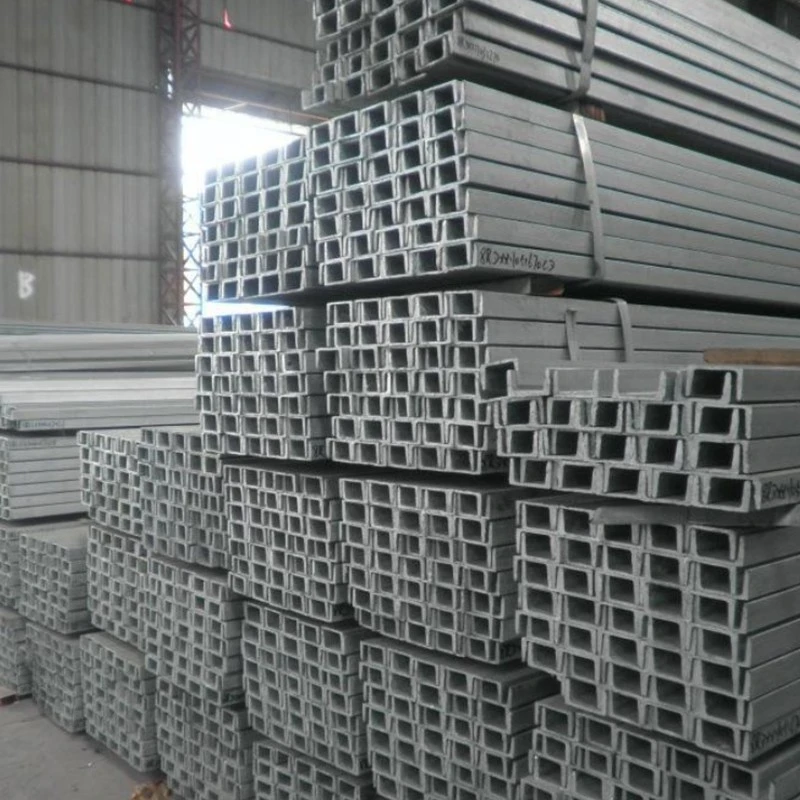
If you're interested in other types of steel products, we also offer LTZ Profile, U Section Steel Black, and Steel Round Bar 12mm. These products also require careful handling during transport, but the general principles are similar to those for unequal angle steel bars.

Conclusion
Transporting unequal angle steel bars safely is a multi - step process that requires careful planning and attention to detail. From pre - transport preparation to unloading, every step plays a crucial role in ensuring the bars arrive at their destination in good condition.
If you're in the market for unequal angle steel bars or have any questions about their transport, don't hesitate to reach out. We're here to help you with all your steel bar needs. Whether you're a small construction company or a large manufacturing firm, we can provide you with high - quality products and advice on safe transport.
References
- Construction Safety Manual: Handling and Transport of Steel Products
- Vehicle Manufacturer's Guidelines for Loading and Securing Heavy Loads
- Industry Best Practices for Steel Bar Transport