

Hey there! As a wire rod coil supplier, I've had my fair share of dealing with both domestic and imported wire rod coils. And let me tell you, there are some pretty notable differences between the two. In this blog, I'm gonna break down these differences and give you a better understanding of what you're getting into when you're choosing between domestic and imported wire rod coils.
Quality and Consistency
One of the first things you'll notice when comparing domestic and imported wire rod coils is the quality and consistency. Domestic wire rod coils are often produced under strict regulations and quality control measures. Manufacturers here have to adhere to local standards, which means you're more likely to get a product that's consistent in terms of its chemical composition, mechanical properties, and overall quality.
For instance, domestic manufacturers are closely monitored by regulatory bodies to ensure that the carbon content, tensile strength, and other important factors are within the specified range. This consistency is crucial, especially if you're using the wire rod coils for high - precision applications like making springs or wires for electrical equipment.
On the other hand, imported wire rod coils can vary widely in quality. Some countries have excellent manufacturing practices and produce high - quality products that can rival or even exceed domestic standards. However, there are also regions where the quality control might not be as strict. You could end up with a batch of wire rod coils that have inconsistent diameters, uneven surface finishes, or fluctuating chemical compositions. This lack of consistency can lead to problems during the manufacturing process, such as breakages or sub - standard end products.
Price
Price is always a major factor when it comes to purchasing wire rod coils. Generally speaking, domestic wire rod coils tend to be more expensive. There are several reasons for this. First of all, the cost of production in many domestic markets is higher. Labor costs, raw material prices, and regulatory compliance all contribute to the overall cost of manufacturing.
For example, if a domestic manufacturer has to pay its workers a higher wage and invest in expensive pollution - control equipment to meet environmental regulations, these costs are passed on to the consumer. Additionally, domestic manufacturers might have higher overheads, such as rent for factory space and utility bills.
Imported wire rod coils, on the other hand, can often be found at a lower price. Some countries have lower labor costs and access to cheaper raw materials. This allows them to produce wire rod coils at a lower cost and offer them at a more competitive price in the international market. However, it's important to remember that the old adage "you get what you pay for" often holds true. Cheaper imported coils might come with quality issues, as mentioned earlier.
Lead Time
Lead time is another important consideration. When you order domestic wire rod coils, you can usually expect a shorter lead time. Since the manufacturing facilities are closer to your location, there's less time spent on transportation. Also, domestic suppliers are more likely to have inventory on hand, which means they can fulfill your order more quickly.

If you need a small quantity of wire rod coils urgently for a project, a domestic supplier might be your best bet. You can get the product in a matter of days or weeks, depending on the supplier's availability.
In contrast, imported wire rod coils often have a longer lead time. The products have to be shipped across long distances, which can take several weeks or even months, depending on the shipping route and mode of transportation. There are also additional factors like customs clearance, which can cause delays. So, if you're on a tight schedule, relying on imported wire rod coils might not be the best idea.
Customization
When it comes to customization, domestic suppliers usually have an edge. They are more likely to understand your local market requirements and be able to offer customized solutions. For example, if you need wire rod coils with a specific diameter, length, or surface treatment, a domestic supplier can often accommodate your needs more easily.
They have direct access to your feedback and can make adjustments to their production process quickly. This is especially important if you're in a niche market or have unique manufacturing requirements.
Imported suppliers might face some challenges in providing customization. Language barriers, cultural differences, and the physical distance between you and the supplier can make it difficult to communicate your exact requirements. Also, some overseas manufacturers might have standardized production processes that are not easily adaptable to custom orders.
Supply Chain and Sustainability
In recent years, supply chain stability and sustainability have become increasingly important. Domestic wire rod coils offer a more stable supply chain. Since they are produced locally, there are fewer risks associated with international trade, such as trade wars, tariffs, and shipping disruptions.
For example, during the COVID - 19 pandemic, many companies that relied on imported wire rod coils faced shortages due to shipping delays and factory closures in other countries. Domestic suppliers were able to continue supplying products with relatively fewer disruptions.
In terms of sustainability, domestic production can also be more environmentally friendly. Shorter transportation distances mean less carbon emissions from shipping. Additionally, many domestic manufacturers are adopting more sustainable production practices, such as using recycled materials and reducing waste.
Imported wire rod coils, on the other hand, can have a more complex supply chain. There are more steps involved in getting the product from the manufacturer to your facility, which increases the risk of disruptions. And the long - distance shipping contributes to a larger carbon footprint.
Related Products
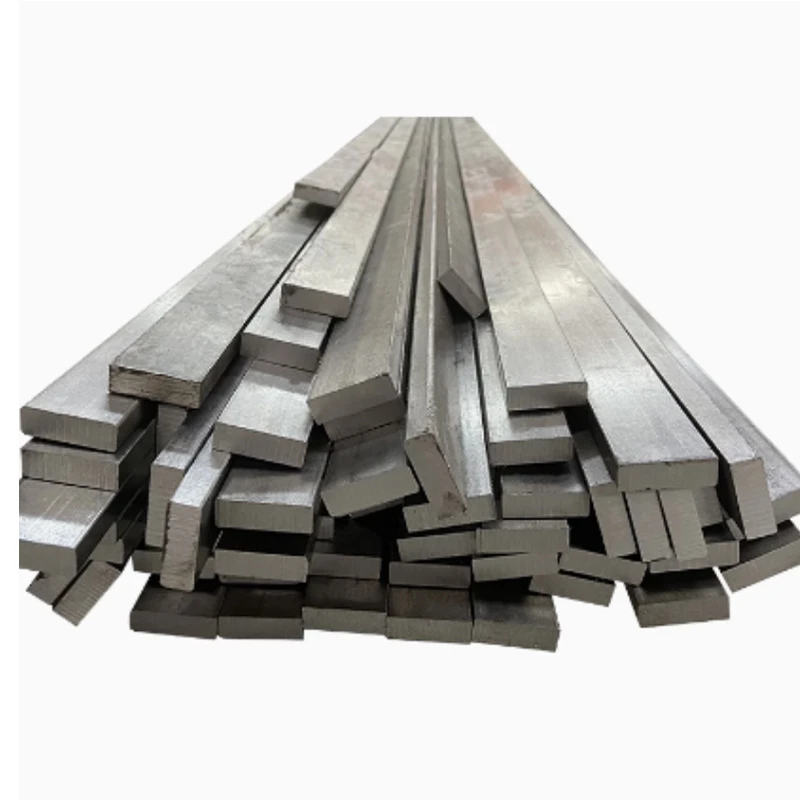
If you're in the market for other steel products, you might also be interested in some related items. Check out our U Section Steel Black, Galvanized Steel Angle, and Mild Steel Flat Bar Black. These products can complement your wire rod coil purchases and offer a wide range of options for your manufacturing needs.
Conclusion
So, there you have it - the main differences between domestic and imported wire rod coils. Each option has its own pros and cons, and the choice depends on your specific needs and priorities. If you value quality, customization, and a short lead time, domestic wire rod coils might be the way to go. But if price is your main concern and you're willing to take a risk on quality, imported coils could be a viable option.
If you're interested in purchasing wire rod coils or have any questions about our products, don't hesitate to reach out. We're here to help you make the best decision for your business.
References
- Industry reports on steel manufacturing and trade
- Interviews with domestic and international wire rod coil manufacturers