

When it comes to construction and engineering projects, section steel is a fundamental building material that offers strength, versatility, and durability. As a section steel supplier, I understand the importance of making informed design decisions to ensure the success of any project. In this blog post, I will discuss the key design considerations when using section steel, providing valuable insights to help you optimize your projects.
Structural Requirements
The first and most crucial consideration when using section steel is to understand the structural requirements of your project. This involves analyzing the loads the structure will bear, including dead loads (the weight of the structure itself), live loads (such as people, furniture, or equipment), wind loads, and seismic loads. By accurately calculating these loads, you can determine the appropriate section steel size, shape, and grade to ensure the structure's stability and safety.
For example, in a high - rise building, the columns need to support significant vertical loads. Wide - flange beams or box sections may be the ideal choice due to their high load - carrying capacity. On the other hand, in a light - frame structure like a small shed, a smaller section of angle steel or channel steel might be sufficient.
Section Shape
Section steel comes in various shapes, each with its own unique properties and applications. The choice of section shape depends on the specific requirements of the project.
- I - Beams: I - beams, also known as H - beams or universal beams, are one of the most commonly used section shapes. They have a high moment of inertia, which makes them excellent for resisting bending moments. I - beams are often used in building frames, bridges, and industrial structures where long - span beams are required.
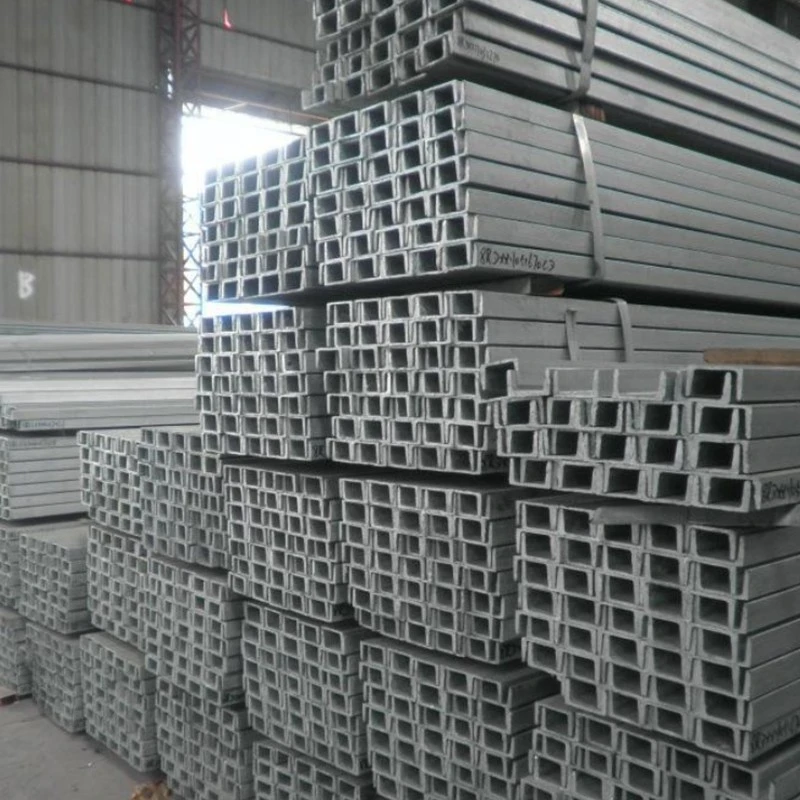
- Channel Steel: Channel steel has a C - shaped cross - section. It is relatively lightweight and easy to handle. Channel steel is commonly used for secondary structural members, such as purlins in roofing systems or bracing elements.
- Equal Angle Steel Bar: Equal angle steel bars have two legs of equal length. They are versatile and can be used for a variety of applications, including framing, bracing, and supports. Angle steel is often used in the construction of steel structures, such as trusses and frames, due to its ability to provide both strength and stability.
- Steel Unequal Angle Bar: Unequal angle steel bars have two legs of different lengths. They are useful when a structure requires a non - symmetric load distribution or when space constraints demand a specific shape. Unequal angle steel is commonly used in machinery frames and some architectural applications.
- U Section Steel Black: U - section steel, also known as U - channels, has a U - shaped cross - section. It is often used for guiding, protecting, or supporting other components. U - section steel can be found in applications such as conveyor systems, window frames, and automotive parts.
Material Grade
The material grade of section steel is another important design consideration. Different grades of steel have different mechanical properties, such as yield strength, tensile strength, and ductility. The choice of material grade depends on the structural requirements, environmental conditions, and cost considerations.
- Mild Steel: Mild steel is the most commonly used grade of steel for section steel. It has a relatively low carbon content, which makes it easy to form, weld, and machine. Mild steel is suitable for most general construction applications where high strength is not the primary requirement.
- High - Strength Steel: High - strength steel has a higher yield strength and tensile strength than mild steel. It is often used in structures where weight reduction is a priority, such as in long - span bridges or high - rise buildings. However, high - strength steel is generally more expensive than mild steel.
- Weathering Steel: Weathering steel is a type of high - strength steel that forms a protective rust layer when exposed to the atmosphere. This rust layer acts as a barrier against further corrosion, eliminating the need for painting or other protective coatings. Weathering steel is commonly used in outdoor structures, such as bridges and sculptures.
Connection Design
Proper connection design is essential for ensuring the integrity and performance of a section steel structure. The connections between section steel members must be able to transfer loads effectively and maintain the stability of the structure.
- Welded Connections: Welded connections are strong and rigid. They are commonly used in structures where high strength and stiffness are required. However, welding requires skilled labor and proper quality control to ensure the integrity of the welds.
- Bolted Connections: Bolted connections are more flexible and easier to install than welded connections. They allow for disassembly and reassembly, which can be useful in some applications. Bolted connections are often used in pre - fabricated steel structures or when on - site adjustments are required.
Fire Resistance
In many construction projects, fire resistance is a critical design consideration. Section steel can be vulnerable to fire, as its strength and stiffness can be significantly reduced at high temperatures. To improve the fire resistance of section steel structures, various fire - protection measures can be taken.
- Fire - Resistant Coatings: Fire - resistant coatings can be applied to the surface of section steel to insulate it from heat and prevent the steel from reaching critical temperatures. These coatings are available in different types, such as intumescent coatings, which expand when exposed to heat to form a protective char layer.
- Encapsulation: Section steel can be encapsulated with fire - resistant materials, such as concrete or gypsum board. This provides a physical barrier between the steel and the fire, protecting the steel from direct exposure to heat.
Corrosion Protection
Section steel is prone to corrosion when exposed to moisture, oxygen, and other corrosive agents. Corrosion can reduce the strength and durability of the steel, leading to structural failures. Therefore, corrosion protection is an important design consideration.
- Galvanizing: Galvanizing is a common method of corrosion protection for section steel. It involves coating the steel with a layer of zinc, which acts as a sacrificial anode to protect the steel from corrosion. Galvanized section steel is widely used in outdoor structures and in environments with high humidity.
- Painting: Painting is another effective way to protect section steel from corrosion. A high - quality paint system can provide a barrier between the steel and the environment, preventing moisture and oxygen from reaching the steel surface.
Cost - Effectiveness
Cost is always a significant factor in any construction project. When using section steel, it is important to balance the performance requirements with the cost. This involves considering the initial cost of the section steel, the cost of fabrication and installation, and the long - term maintenance costs.

- Material Selection: Choosing the appropriate material grade and section shape can help reduce costs without sacrificing performance. For example, using mild steel instead of high - strength steel in applications where high strength is not necessary can save money.
- Fabrication and Installation: Optimizing the fabrication and installation processes can also reduce costs. Pre - fabricated steel components can be manufactured off - site, which can save time and labor costs.
Sustainability
In today's construction industry, sustainability is becoming increasingly important. Section steel is a sustainable building material as it is recyclable and can be reused. When designing with section steel, consider the following sustainability aspects:
- Recycled Content: Using section steel with a high percentage of recycled content can reduce the environmental impact of the project.
- Energy Efficiency: Designing a section steel structure to be energy - efficient can also contribute to sustainability. For example, using proper insulation and ventilation systems can reduce the energy consumption of the building.
In conclusion, using section steel in construction and engineering projects requires careful consideration of various factors, including structural requirements, section shape, material grade, connection design, fire resistance, corrosion protection, cost - effectiveness, and sustainability. As a section steel supplier, I am committed to providing high - quality section steel products and technical support to help you make the best design decisions for your projects.
If you are interested in purchasing section steel for your next project, I encourage you to contact me for more information and to discuss your specific requirements. Our team of experts is ready to assist you in selecting the right section steel products and providing you with the best solutions.
References
- Budynas, R. G., & Nisbett, J. K. (2011). Shigley's Mechanical Engineering Design. McGraw - Hill.
- Salmon, C. G., & Johnson, J. E. (2008). Steel Structures: Design and Behavior. Pearson Prentice Hall.
- American Institute of Steel Construction (AISC). (2017). Specification for Structural Steel Buildings.