

Hey there! As a supplier of PC wire and wire mesh, I've been in the game for quite a while, and I often get asked about the standard requirements for wire mesh. So, I thought I'd take the time to break it down for you.
First off, let's talk about what wire mesh is. Wire mesh is a grid-like structure made from wires that are woven or welded together. It's used in a variety of applications, from construction to industrial manufacturing. In the construction industry, wire mesh is commonly used as reinforcement for concrete structures, like slabs, walls, and columns. It helps to improve the strength and durability of the concrete, making it more resistant to cracking and other forms of damage.
Now, when it comes to the standard requirements for wire mesh, there are a few key factors to consider. These include the material, the size and shape of the mesh, the wire diameter, and the spacing between the wires.
Material
The material used to make wire mesh can vary depending on the application. The most common materials include steel, stainless steel, and aluminum. Steel wire mesh is the most widely used because it's strong, durable, and relatively inexpensive. Stainless steel wire mesh is more corrosion-resistant, making it a good choice for applications where the mesh will be exposed to moisture or chemicals. Aluminum wire mesh is lightweight and easy to work with, but it's not as strong as steel or stainless steel.
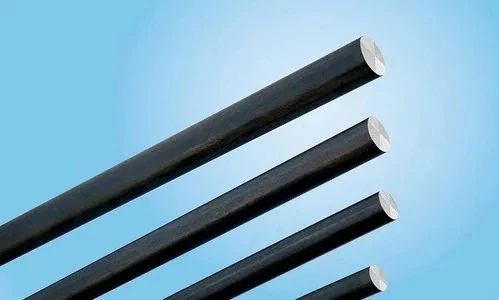

For concrete reinforcement, we usually recommend using Concrete Prestressed Steel Wire. This type of wire is specifically designed to provide high strength and durability, making it ideal for use in concrete structures.
Size and Shape
The size and shape of the wire mesh are also important factors to consider. The size of the mesh is typically measured in terms of the number of openings per linear inch (mesh count). For example, a 10-mesh wire mesh has 10 openings per linear inch. The shape of the mesh can vary, but the most common shapes are square and rectangular.
The size and shape of the mesh you choose will depend on the specific application. For concrete reinforcement, a square mesh with a mesh count of 6x6 or 8x8 is typically used. This provides a good balance between strength and flexibility.
Wire Diameter
The wire diameter is another important factor to consider. The diameter of the wire will determine the strength and durability of the mesh. Thicker wires are generally stronger and more durable, but they're also heavier and more expensive. Thinner wires are lighter and less expensive, but they're not as strong.
For concrete reinforcement, a wire diameter of 0.25 inches to 0.5 inches is typically used. This provides a good balance between strength and cost.
Spacing Between the Wires
The spacing between the wires is also an important factor to consider. The spacing will determine the size of the openings in the mesh, which will affect the strength and flexibility of the mesh. Closer spacing between the wires will provide a stronger and more rigid mesh, but it will also be more expensive. Wider spacing between the wires will provide a more flexible and less expensive mesh, but it will also be less strong.
For concrete reinforcement, a spacing of 4 inches to 6 inches between the wires is typically used. This provides a good balance between strength and flexibility.
Other Considerations
In addition to the factors mentioned above, there are a few other considerations to keep in mind when choosing wire mesh. These include the surface finish, the coating, and the quality control.
The surface finish of the wire mesh can affect its appearance and durability. A smooth surface finish will provide a more aesthetically pleasing appearance, but it may also be more prone to corrosion. A rough surface finish will provide better adhesion to the concrete, but it may also be more difficult to clean.
The coating of the wire mesh can also affect its durability. A galvanized coating will provide protection against corrosion, making it a good choice for applications where the mesh will be exposed to moisture or chemicals. A PVC coating will provide additional protection against corrosion and abrasion, making it a good choice for applications where the mesh will be exposed to harsh environments.
Quality control is also an important consideration when choosing wire mesh. Make sure to choose a supplier that has a good reputation for quality control. This will ensure that the wire mesh you receive meets the standard requirements and is free from defects.
Conclusion
So, there you have it! The standard requirements for wire mesh can vary depending on the application, but the key factors to consider include the material, the size and shape of the mesh, the wire diameter, and the spacing between the wires. By keeping these factors in mind, you can choose the right wire mesh for your specific needs.
If you're in the market for PC wire and wire mesh, we'd love to hear from you. We offer a wide range of Concrete Reinforcing Mesh and Welding Rods 12.7mm products that meet the highest standards of quality and performance. Contact us today to learn more about our products and how we can help you with your project.
References
- ASTM International. (2021). Standard Specification for Steel Welded Wire Reinforcement, Plain and Deformed. ASTM A185/A185M-21.
- American Concrete Institute. (2019). Building Code Requirements for Structural Concrete (ACI 318-19) and Commentary. ACI 318-19R.
- National Precast Concrete Association. (2020). Precast Concrete Design Manual. NPCA.