

Hey there! As a steel sheet supplier, I often get asked about the thermal conductivity of steel sheets. It's a pretty important topic, especially for those who are using steel sheets in applications where heat transfer matters. So, let's dive right in and explore what the thermal conductivity of a steel sheet is all about.
What is Thermal Conductivity?
Before we talk specifically about steel sheets, let's quickly go over what thermal conductivity means. Thermal conductivity is a measure of a material's ability to conduct heat. In simple terms, it tells us how easily heat can pass through a substance. Materials with high thermal conductivity transfer heat quickly, while those with low thermal conductivity are better at insulating and slow down the heat transfer.
Thermal Conductivity of Steel Sheets
Steel is an alloy mainly composed of iron and carbon, with some other elements added in small amounts to give it different properties. The thermal conductivity of steel sheets can vary depending on several factors, including the type of steel, its composition, and its microstructure.
On average, the thermal conductivity of steel sheets ranges from about 40 to 60 W/(m·K) (watts per meter-kelvin). This means that for every meter of thickness of the steel sheet, and for every degree Kelvin difference in temperature across the sheet, 40 to 60 watts of heat can be conducted through it.
For example, carbon steel, which is one of the most common types of steel used in steel sheets, typically has a thermal conductivity around 45 - 55 W/(m·K). Stainless steel, on the other hand, has a lower thermal conductivity, usually in the range of 15 - 20 W/(m·K). This is because stainless steel contains more alloying elements like chromium and nickel, which disrupt the flow of heat through the material.
Factors Affecting Thermal Conductivity of Steel Sheets
1. Composition
As mentioned earlier, the composition of the steel plays a big role in its thermal conductivity. Different alloying elements have different effects on how heat is conducted. For instance, adding elements like manganese or silicon can increase the thermal conductivity slightly, while elements like chromium and nickel tend to decrease it.
2. Microstructure
The microstructure of the steel sheet also affects its thermal conductivity. Steel can have different microstructures depending on how it's processed, such as annealing, quenching, or tempering. A fine-grained microstructure generally has a higher thermal conductivity than a coarse-grained one because the heat can move more easily through the smaller grains.
3. Temperature
The thermal conductivity of steel sheets can also change with temperature. In general, as the temperature increases, the thermal conductivity of steel decreases. This is because at higher temperatures, the atoms in the steel vibrate more vigorously, which disrupts the flow of heat.
Applications and the Importance of Thermal Conductivity
The thermal conductivity of steel sheets is crucial in many applications. Here are a few examples:
1. Heat Exchangers
In heat exchangers, steel sheets are used to transfer heat from one fluid to another. A high thermal conductivity is desirable in this case because it allows for efficient heat transfer. For example, in a car radiator, steel sheets are used to transfer heat from the hot coolant to the air flowing through the radiator.
2. Building Construction
In building construction, steel sheets are used in roofing, walls, and other structural components. The thermal conductivity of the steel sheets affects the energy efficiency of the building. If the steel sheets have a low thermal conductivity, they can help to insulate the building and reduce heat loss in the winter and heat gain in the summer.
3. Industrial Furnaces
In industrial furnaces, steel sheets are used to line the inside of the furnace. A high thermal conductivity is needed to transfer heat from the heating elements to the material being processed inside the furnace.

Our Steel Sheet Products
At our company, we offer a wide range of steel sheet products with different thermal conductivities to meet the needs of various applications. Here are some of our popular products:
- Galvanized Sheet 1219mm: This galvanized sheet is coated with a layer of zinc to protect it from corrosion. It has a good thermal conductivity and is suitable for many applications, including roofing and siding.
- Mild Steel Chequered Sheet: Our mild steel chequered sheet has a unique pattern on its surface, which not only provides good slip resistance but also has a reasonable thermal conductivity. It's often used in industrial flooring and platforms.
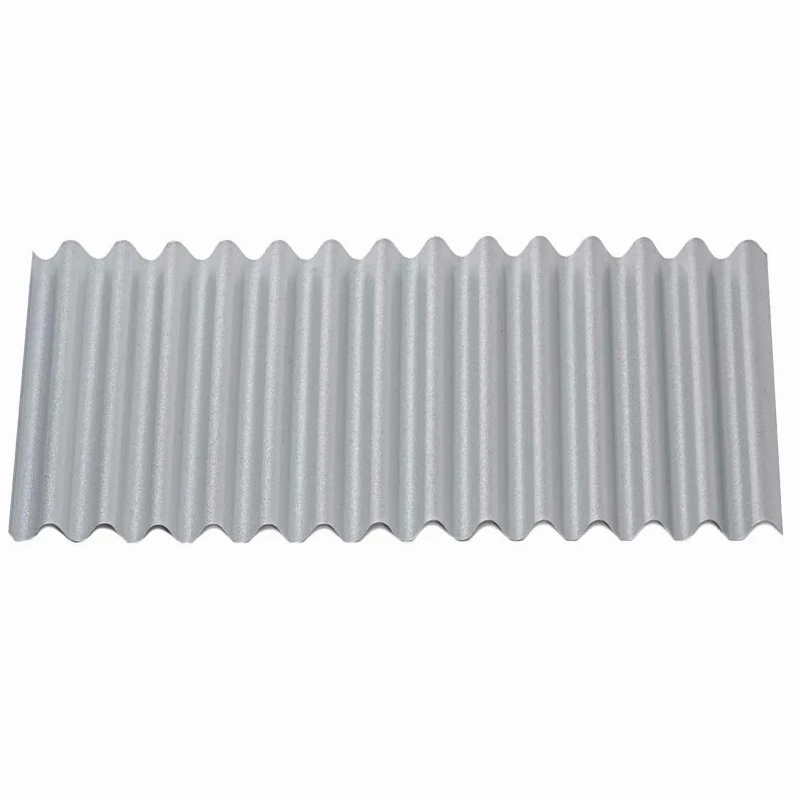
- Corrugated Galvanized Steel Sheet: The corrugated shape of this steel sheet adds strength and rigidity, while the galvanized coating protects it from rust. It has a thermal conductivity that makes it suitable for roofing and other outdoor applications.
Conclusion
So, there you have it! The thermal conductivity of steel sheets is an important property that can vary depending on the type of steel, its composition, microstructure, and temperature. Understanding the thermal conductivity of steel sheets is crucial for choosing the right product for your specific application.
If you're interested in purchasing steel sheets for your project, whether it's for heat transfer applications or something else, don't hesitate to reach out. We're here to help you find the perfect steel sheet solution for your needs. Contact us today to start the procurement process and discuss your requirements.
References
- "Materials Science and Engineering: An Introduction" by William D. Callister Jr. and David G. Rethwisch
- "Metals Handbook: Properties and Selection: Irons, Steels, and High-Performance Alloys" by ASM International